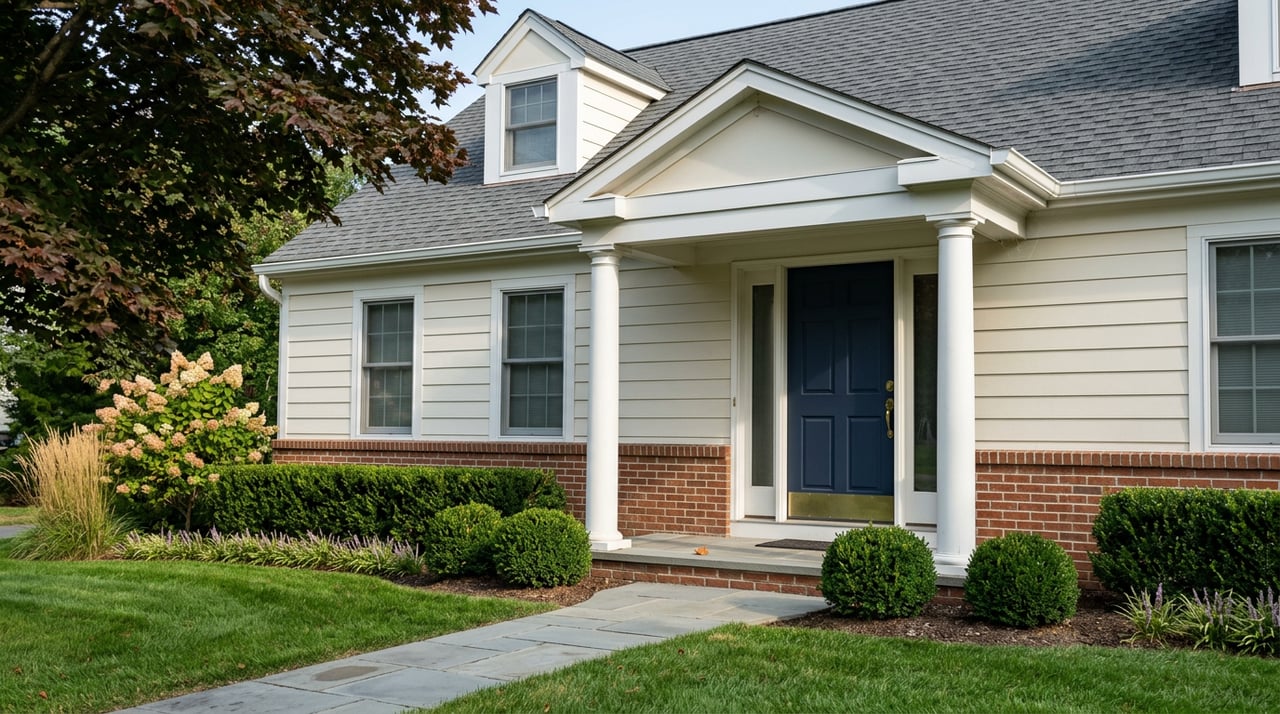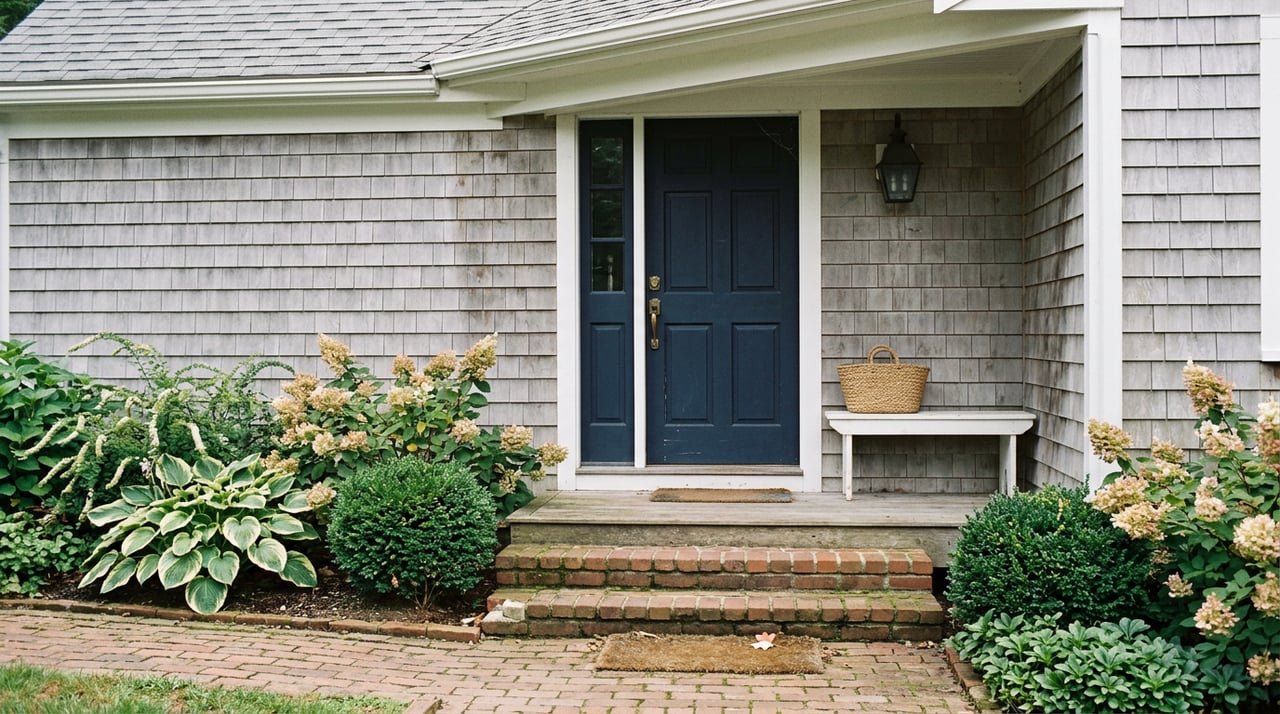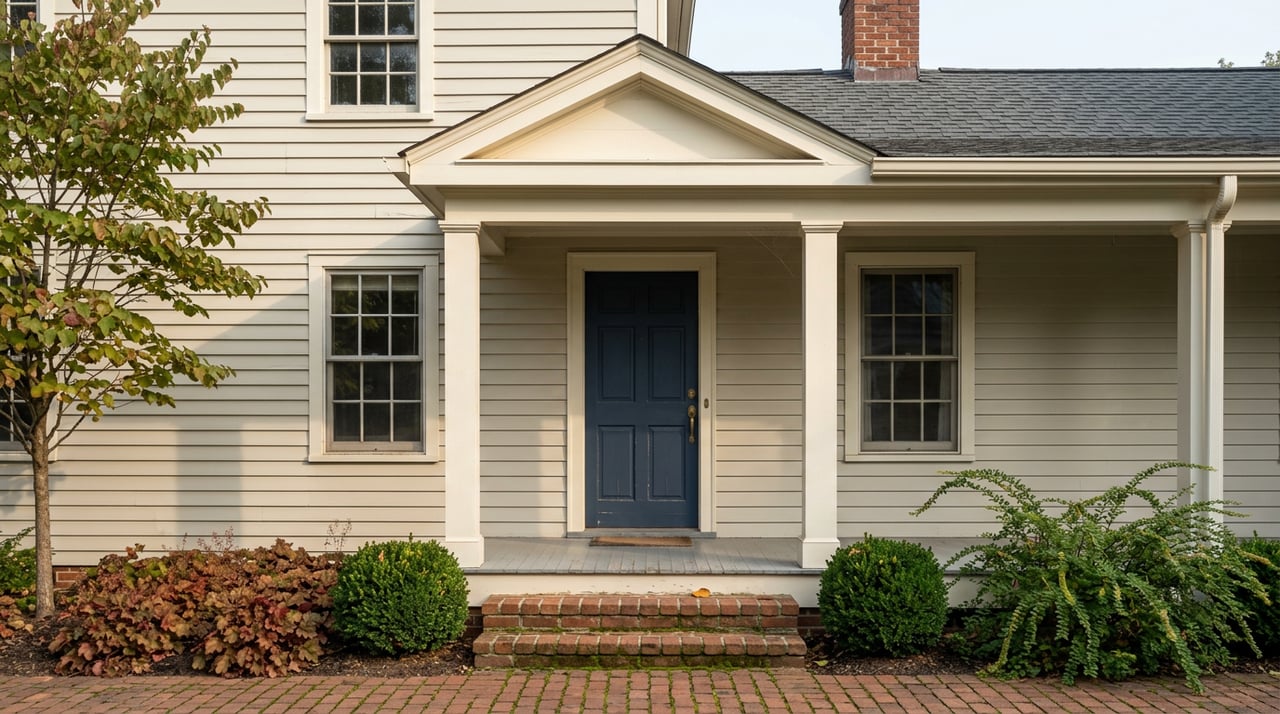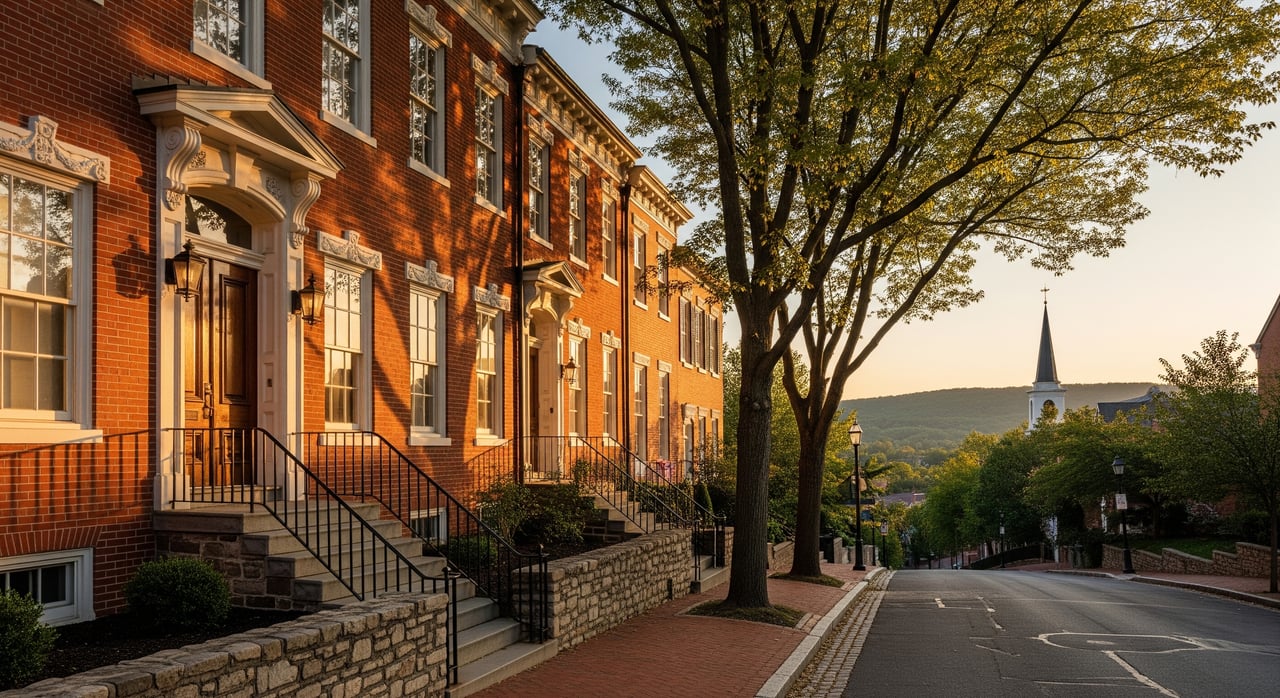
Thinking about selling your Old Town Winchester charmer and wondering how to price it right? Historic homes can command a premium, but they also carry unique considerations that typical suburban houses do not. You want to honor the character you love while defending your price to buyers and appraisers. This guide shows you how to evaluate value drivers, verify local rules and incentives, factor in condition and features, and build a marketing plan that supports your price. Let’s dive in.
What makes a home “historic” here
Historic homes in Downtown Winchester often date from the 18th to early 20th centuries. Age alone is not the full story, though. Pricing hinges on a few core elements:
- Character-defining features. Original moldings, mantels, staircases, hardwood floors, pocket doors, and historic windows matter. The more intact and well-maintained, the stronger your position.
- Integrity versus alteration. Homes with preserved fabric typically see an advantage over those with heavy, unsympathetic changes. Market demand still sets the ceiling.
- Location and pedigree. Being within the Old Town core and walkable to amenities can elevate value compared to similar homes farther out.
- Designation and documentation. If your home sits in a local or national historic district, or has known provenance, that context shapes both appeal and buyer expectations.
Why pricing differs from suburban comps
Historic homes do not fit neatly into price-per-square-foot formulas. Here is why:
- Limited comparable sales. True like-for-like comps are scarce. Small sample sizes create wider pricing ranges.
- Unique layouts. Non-standard floor plans can be a plus for character-lovers but a drawback for open-plan seekers.
- Deferred maintenance risk. Older roofs, wiring, and mechanicals add cost uncertainty. Buyers discount unless you reduce risk with inspections and documentation.
- Design review and restrictions. District guidelines, easements, or covenants can limit exterior changes. Some buyers value stewardship, while others prefer fewer limits.
- Emotional value. Many buyers pay for craftsmanship and patina. Others focus on modernization costs. Your strategy should meet the right buyer pool where they are.
Confirm rules, easements, and incentives first
Before you set an asking price, clarify the regulatory and financial context that affects your buyer’s decision.
Check local designation and design review
Confirm whether your property sits within a Winchester local historic district or is individually designated. Local designation often requires design review for exterior changes like windows, siding, porches, and rooflines. Contact the City of Winchester Planning Department or the Historic Preservation Commission to get the district map and current design guidelines.
Identify easements and covenants
Historic preservation easements and private covenants can restrict alterations and pass obligations to a new owner. Pull title to confirm any recorded easements or covenants. Disclose them to buyers and appraisers to avoid surprises and pricing friction.
Understand tax incentives and grants
Federal rehabilitation tax credits are available for income-producing certified historic structures, usually 20% for qualified rehabilitation. Primary-residence homeowners typically do not qualify for the federal credit. State or local programs in Virginia and Winchester may offer grants, local tax incentives, or façade improvement aid. Verify current options with the Virginia Department of Historic Resources and city economic development or planning staff. If incentives are transferable or relevant to adaptive reuse, highlight them in your marketing.
Know building code and permitting paths
Historic properties may qualify for alternate code compliance paths for certain upgrades. Some retrofits also require review. Speak with the city building official about likely permit timelines and costs for common improvements such as windows, electrical, and HVAC.
Build a valuation plan for Old Town
Pricing well means blending market data with property-specific adjustments and documentation.
Use the right comps
Start with the most recent sales inside the same historic district or within nearby blocks. Expand outward only to very similar neighborhoods with comparable lot sizes, vintage, and condition. Avoid leaning on price-per-square-foot alone, especially where attics or basements inflate size but not livable function. Adjust for condition, quality of restorations, system updates, and parking or lot differences.
Prepare for appraisal realities
Appraisers may have limited local comps for historic homes, so they rely more on market knowledge and adjustments. Provide a package that includes:
- A detailed feature list that documents original elements and restored components.
- Receipts for maintenance and professional restoration work.
- A record of major system upgrades with dates and permits when available.
- Thoughtful notes on comparable historic sales and why they align.
Historic features influence desirability, but they do not always translate dollar-for-dollar in an appraisal unless they clearly impact demand or replacement cost.
Focus on condition and system upgrades
Buyers and appraisers pay close attention to foundational health and safety. Prioritize:
- Structural soundness and roof framing.
- Modern, safe electrical systems. Outdated wiring is a red flag.
- Reliable plumbing and drainage.
- Heating and cooling that meet expectations without harming historic fabric.
- Pest or termite records and remediation documentation where relevant.
A pre-listing inspection and contractor estimates lower buyer uncertainty and can protect your price from repair-driven negotiations.
Turn condition and features into a price
The right list price reflects where your home sits on the condition spectrum and how intact its period features are.
Condition categories that guide pricing
- Move-in ready. Well-maintained period details with updated systems attract a broader pool and support the upper end of local historic comps.
- Cosmetically original. Authentic finishes but marginal systems call for a thoughtful discount that reflects modernization costs.
- Needs major renovation. Structural issues or heavy deferred maintenance invite renovation risk pricing and longer time on market.
If you expect buyers to take on improvements, gather bids and subtract those costs from recent comparable sales to set a realistic price.
Valuing period features and alterations
Intact woodwork, staircases, mantels, and masonry elevate marketability. Document provenance and restoration work with photos and receipts. If a past owner added unsympathetic materials like vinyl windows or inappropriate siding, note whether reversal is possible. Sensitive upgrades that respect historic fabric, such as kitchens and baths that blend period style with modern function or unobtrusive HVAC, typically add more value than purely cosmetic refreshes.
Energy and window considerations
Original windows contribute to character and may fall under local guidelines. Replacement with accurate replicas can be costly and might not be approved. Consider reversible improvements such as attic insulation, storm windows, air sealing, and efficient HVAC. Document the energy benefits so buyers understand performance without assuming loss of character.
Pricing tactics that fit the moment
Use an adjusted sales comparison based on nearby historic comps, then layer in documented repair or upgrade costs. If demand for historic homes is tight, you can test the higher end of the range but prepare for appraisal scrutiny. If demand is softer, price competitively to draw the buyers who value craftsmanship and authenticity. Offering a pre-listing inspection and contractor estimates helps support your position either way.
Marketing that backs up your price
Your marketing should show the home’s soul and the facts that justify value.
Assemble materials and disclosures
- Professional photography that captures both details and flow, plus streetscape context.
- Floor plans with dimensions so buyers can visualize layouts that differ from modern builds.
- A restoration and maintenance dossier with receipts and permits for major work.
- A concise history sheet noting build date, known architects or owners, and documented restoration.
- Copies of design review notes, easements, or incentive documentation.
Spotlight character without overpromising
Be specific about original hardwoods, moldings, windows, and fireplaces. Share preservation work you completed and what a buyer should expect in the district. Clear disclosure reduces renegotiation risk and builds trust during inspection and appraisal.
Stage for scale and livability
Blend period-appropriate accents with neutral pieces so rooms feel welcoming and functional. Use both close-up detail shots and wide-angle views to highlight millwork and circulation. A 3D tour or high-quality video helps buyers absorb layout and room sizes before they step inside.
Speak to the right buyers
- Character and walkability seekers. Emphasize craftsmanship, authenticity, and proximity to Old Town amenities.
- Investors or adaptive reuse buyers. Where zoning allows, outline the potential and how incentives might apply.
- Community-minded buyers. Highlight neighborhood events and the appeal of living near Winchester’s historic core.
Seller checklist for Downtown Winchester
Use this quick plan to prepare your listing and protect your price.
- Confirm district status and design review requirements with City of Winchester staff.
- Order a current title search to identify easements or covenants.
- Schedule a pre-listing inspection and gather written estimates for major repairs.
- Consider a pre-listing appraisal from an appraiser experienced with local historic properties.
- Compile a restoration and maintenance packet with receipts and permits.
- Invest in professional photos, floor plans, and a concise history sheet.
- Make cost-effective updates that respect the fabric: paint, lighting, landscaping, and attic insulation.
- Consult a contractor or architect with preservation experience about reversible fixes and code paths.
- Speak with an insurance agent familiar with historic homes about coverage expectations.
- Verify any available grants or tax incentives with the Virginia Department of Historic Resources and the city.
Work with a team that knows Old Town
Pricing a historic Winchester home is part art, part data, and all about preparation. When you combine sound comps with transparent documentation, sensitive staging, and clear disclosure, you set buyers and appraisers up to support your number. If you would like a pricing strategy tailored to your block, plus polished marketing that honors your home’s character, the Talbot Greenya Group is ready to help. Get your instant valuation, review your inspection strategy, and launch a plan that brings the right buyers to your door.
Ready to start? Reach out to the Talbot Greenya Group for a friendly consultation or instant home valuation today.
FAQs
What counts as a “historic” home for pricing in Winchester?
- Age, character-defining features, integrity of original materials, location within the Old Town core, and any local or national designation shape how buyers and appraisers view value.
Do local historic districts raise or lower price?
- It depends on demand; design review can narrow the buyer pool to those who value preservation, which can support price, but limits on changes may lead some buyers to discount.
Should I replace original windows before listing?
- Not automatically; originals contribute to character and may be protected, so consider reversible efficiency upgrades and document energy improvements instead of full replacement.
How do I handle appraisal shortfalls on a historic home?
- Share a robust package with the appraiser: detailed comps, restoration receipts, contractor bids, and a clear feature list; price near likely appraised value if risk is high.
Which upgrades matter most to buyers and appraisers?
- Structural integrity, safe electrical, reliable plumbing, and effective HVAC carry the most weight, especially when supported by inspections, permits, and service records.