Ever wonder what day-to-day life looks like when the Silver Line is practically in your backyard? If you are eyeing Ashburn for its suburban feel and new rail access, you are not alone. The arrival of Metrorail has reshaped how many residents commute, travel to the airport, and plan weekends. In this guide, you will learn what living near Ashburn’s Silver Line stations really means for your routine, your housing options, and your next move. Let’s dive in.
What the Silver Line changed
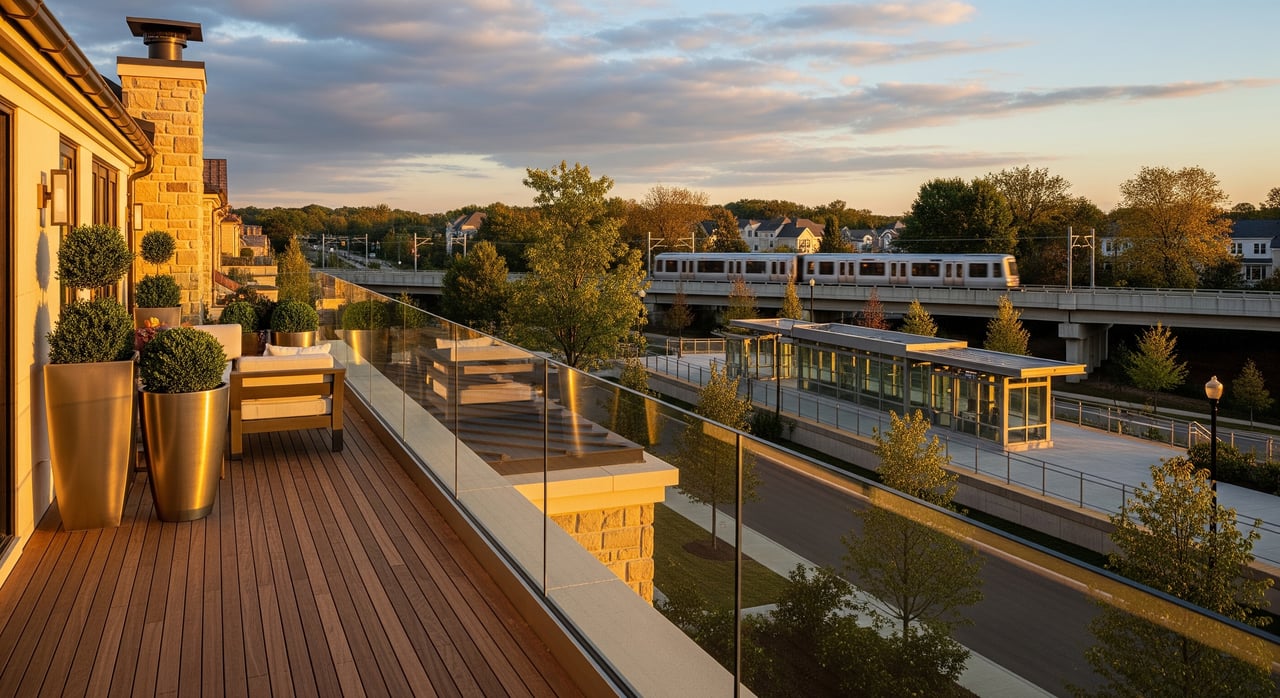
Silver Line Phase 2 opened in November 2022, extending Metrorail into Loudoun County and adding the Loudoun Gateway and Ashburn stations, along with a direct on-system link to Dulles Airport. That connection puts Ashburn on a single line to Tysons, Reston, Arlington, and Washington, D.C.
For many commuters, this replaces a long drive on Route 7 or I-66 with a predictable train ride. It also makes last-minute airport trips and downtown outings simpler, especially if you prefer to skip parking hassles.
Stations and connectivity at a glance
Ashburn and Loudoun Gateway are the two Loudoun County stations. They connect you straight into employment hubs on the Silver Line. You can ride to Tysons and continue into Arlington and downtown D.C. without switching lines. If you fly often or work in aviation, direct rail to Dulles Airport is a major convenience.
Train frequency, crowding, and hours can vary by weekday peak, off-peak, and weekends. Riders should check current schedules and any service advisories, since maintenance and single-tracking can affect travel times.
First-mile and last-mile choices
You will likely pair rail with another mode depending on your schedule and address:
- Loudoun County Transit routes and commuter shuttles where available
- Private employer shuttles for certain large workplaces
- Park-and-ride or kiss-and-ride for quick station access
- Ridehail options like Uber and Lyft
- Biking and e-scooters where infrastructure supports them
- Walking from nearby neighborhoods in select station areas
Availability can vary by station and time of day, so it helps to map your options before you move.
Day-to-day commuting
On a typical weekday morning, many riders park or get dropped off at the station, then board a one-seat train toward Tysons and beyond. Expect fuller trains during peak periods. If your schedule is flexible, you may find off-peak rides more relaxed.
Because service details can change, it is smart to check live information before you head out. Keep a backup plan for occasional maintenance or delays, such as a park-and-ride or a local bus connection.
Airport access made easy
One of the clearest quality-of-life upgrades is direct Silver Line access to Dulles Airport. Whether you travel once a month or a few times a year, being able to roll your bag onto a train without arranging airport parking is a stress reducer.
Nights and weekends
Evening and weekend schedules may look different from rush hour. If you plan dinner in Tysons or a show in the city, verify service frequency and last-train times. For late returns, a ridehail from the station can be a simple finish to the night.
Errands, amenities, and services
Daily conveniences cluster around the stations and nearby mixed-use areas. You will find staples like grocery stores, coffee, restaurants, gyms, banks, and medical offices. The exact mix depends on how close you are to the station. Larger retail centers and business parks are usually a short drive away and offer chain supermarkets, dining, and services.
For schools, Loudoun County Public Schools serve the area. School assignments depend on your specific address, and boundaries can change. Health care is supported by large regional providers, including hospital systems and urgent care centers across the county. Check current provider locations when you are comparing neighborhoods.
Housing choices near the stations
If you want to live close to Ashburn’s stations, you will see a range of options:
- Newer apartment buildings and condos close to station nodes and mixed-use parcels
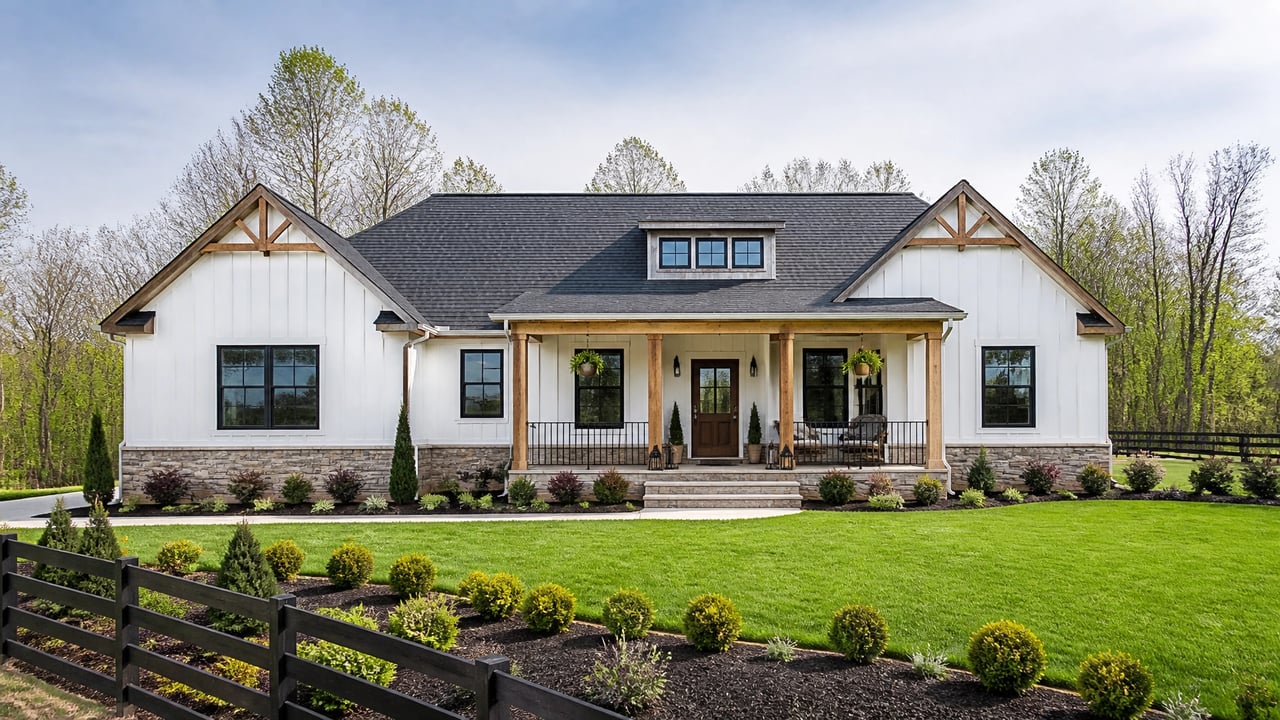
- Townhomes and relatively newer single-family neighborhoods within a short drive
- Older single-family homes farther from the stations
As station areas continue to grow, transit-oriented development is expected to bring more higher-density housing and new retail over time. This can add convenience and variety, though it can also mean periodic construction, traffic changes, and evolving neighborhood character.
Pricing varies by property type, age, and proximity to the station. Homes and rentals very close to the stations often command a premium for convenience. If you are cost-conscious, you may find better value a bit farther out while still keeping a simple drive or bus hop to the train.
The rental market near stations typically draws commuters, young professionals, and frequent travelers who value reliable access to major job centers and the airport. Investors often look at newer multifamily buildings and smaller homes that suit renters. Local rules, HOA policies, and market conditions will shape what is practical, so review those details carefully.
Who living here tends to fit
Ashburn’s Silver Line access works well for several lifestyle goals:
- Commuters to Tysons, Reston, Arlington, and D.C. who want a reliable rail option
- Tech and data center workers who need regional connectivity and may have employer shuttles
- Families who want suburban space with a non-driving option for downtown activities
- Renters and young professionals who want newer buildings and shorter commutes
Trade-offs to keep in mind
- Price premium: Station-proximate homes often cost more.
- Parking and congestion: Station areas can attract more vehicle traffic and drop-offs.
- Service reliability: Maintenance and disruptions happen, so keep a backup plan.
- Growth and construction: Expect changing streetscapes, periodic noise, and new development.
What to check before you buy or rent
Do a little homework so your daily life matches your expectations:
- Test your commute on a weekday and an off-peak afternoon.
- Review station parking options, permits, and any fees.
- Confirm your school assignment and note that boundaries can change.
- Evaluate HOA or condo rules, including rental policies and fees.
- Visit during rush hour to gauge traffic, noise, and train activity.
- Look up local planning cases to see what is proposed near the station.
- Check transit schedules and advisories for late nights and weekends.
- Map first-mile options such as local bus routes, bike lanes, and sidewalks.
How we help you decide
Choosing a home near Ashburn’s Silver Line stations is about balancing convenience, budget, and lifestyle. You deserve a guide who knows the trade-offs and the opportunities. Our team brings local market knowledge, buyer representation, relocation support, rentals and property management, and small-investor guidance. We help you compare neighborhoods, evaluate housing types, and plan for both today’s routine and tomorrow’s growth.
If you want clear, local advice tailored to your goals, reach out to the Talbot Greenya Group. We will walk you through options, schedule on-the-ground tours, and help you make a confident move.
FAQs
How did the Silver Line change Ashburn commutes?
- Phase 2 extended Metrorail to Loudoun in November 2022, adding the Loudoun Gateway and Ashburn stations and creating a one-seat ride to major job centers and a rail link to Dulles Airport.
What are my first- and last-mile options to the stations?
- Depending on your location and time of day, you may use Loudoun County Transit routes, employer shuttles, park-and-ride, kiss-and-ride, ridehail, biking, or walking.
Is there station parking and how does it work?
- Many riders use station parking or drop-off, but rules, capacity, and any fees can change; review current details before you commit to a routine.
What housing types are near the Ashburn and Loudoun Gateway stations?
- You will see newer apartments and condos closest to the stations, townhomes and newer single-family homes nearby, and older single-family homes a bit farther out.
Are schools nearby and how are assignments set?
- Loudoun County Public Schools serve the area; specific school assignments depend on your home’s address, and boundaries can change.
What trade-offs should I expect living close to the stations?
- Expect potential price premiums, more parking demand, possible service disruptions, and ongoing area development that can add amenities over time but also bring construction activity.
Who is a good fit for living near Ashburn’s Silver Line?
- Commuters to Tysons, Reston, Arlington, and D.C., frequent fliers, tech and data center workers, families seeking suburban space with transit options, and renters or young professionals who value new buildings and shorter commutes.