Curious why homes around Charlestown all look a little different, yet each feels right for coastal living? If you are moving to Virginia Beach or exploring a new neighborhood nearby, style choices affect everyday comfort, maintenance, and long-term costs. In this guide, you will learn what defines the most common local home styles, when they were built, what upkeep they need, and which one may fit your lifestyle best. Let’s dive in.
Colonial homes: classic form, flexible living
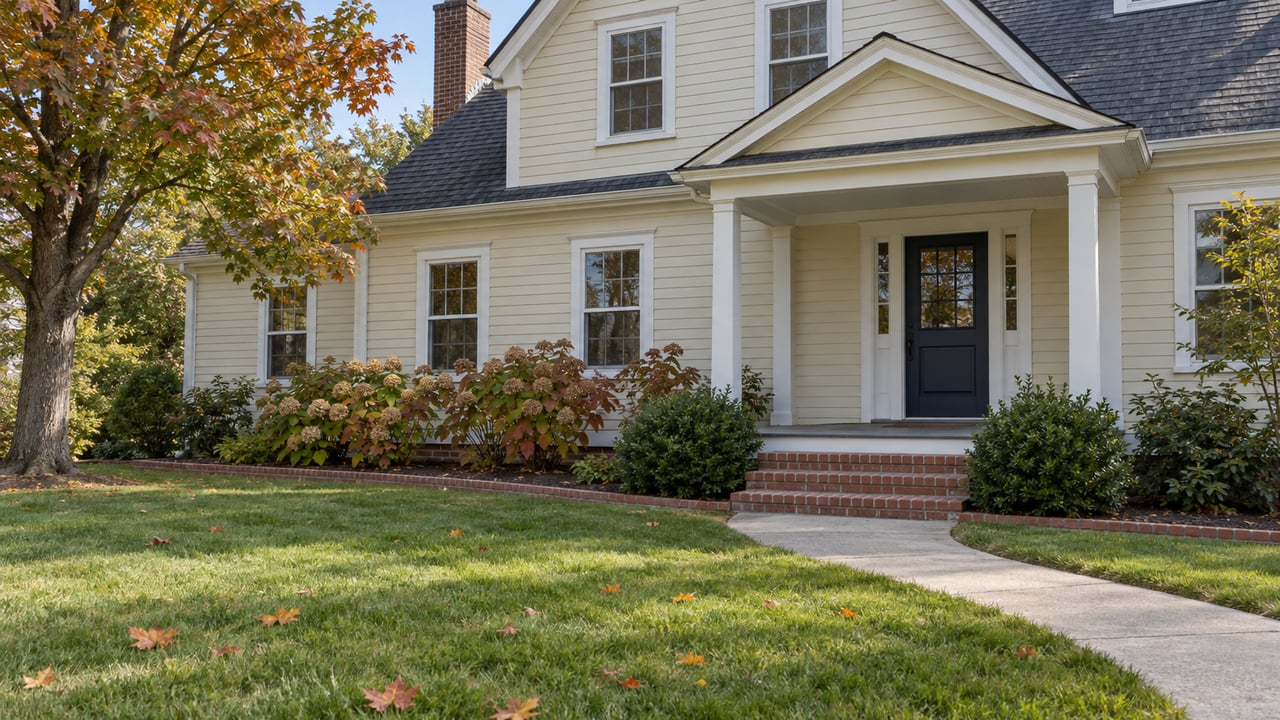
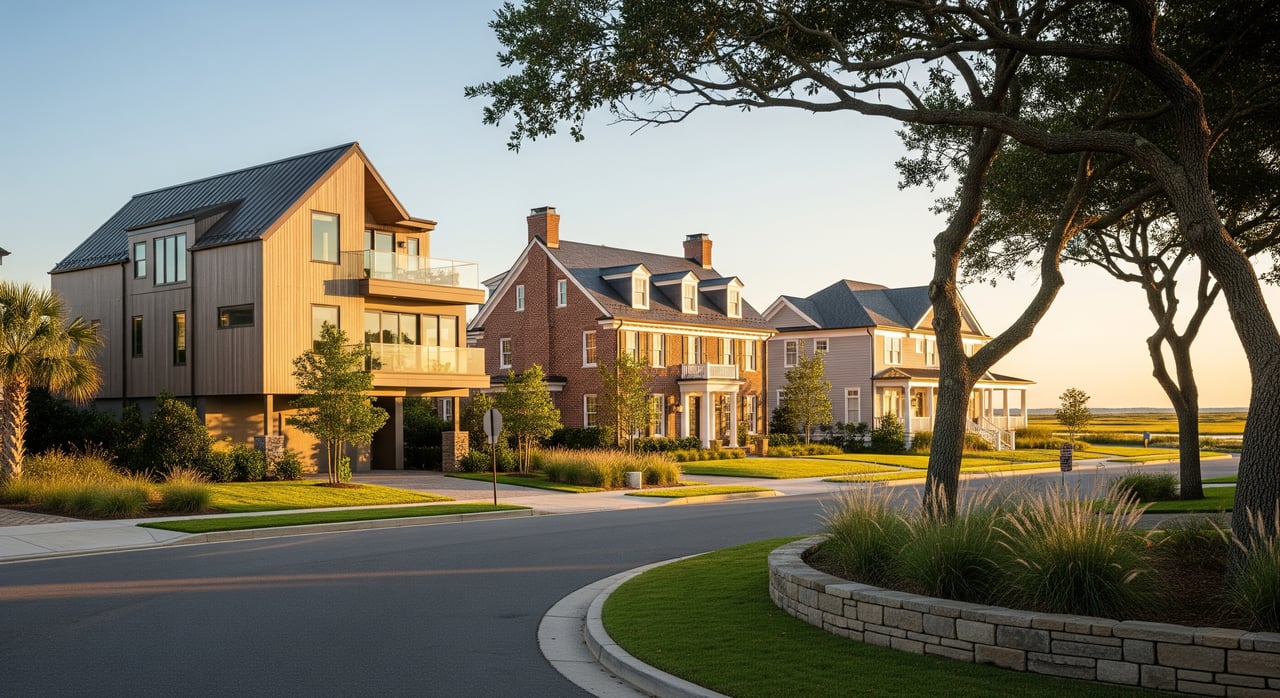
Colonial and colonial revival homes often feature a symmetrical front, a centered door, and two or more stories. Inside, you usually see formal living and dining rooms with bedrooms upstairs. Exteriors vary from brick to wood clapboard to modern fiber-cement or vinyl siding.
Many local colonials date from the 1970s through the 1990s, with some earlier examples. Buyers choose them for timeless curb appeal, multiple bedrooms, and clear separation of living and sleeping spaces. If you like traditional layouts and long-term resale appeal, a colonial is a strong option.
Maintenance is straightforward but multi-story homes can mean more routine care. Brick needs little painting, though mortar and flashing should be checked. Wood siding needs periodic paint or stain. In older colonials, verify electrical updates and look for signs of aging HVAC or insulation.
Farmhouse and modern farmhouse
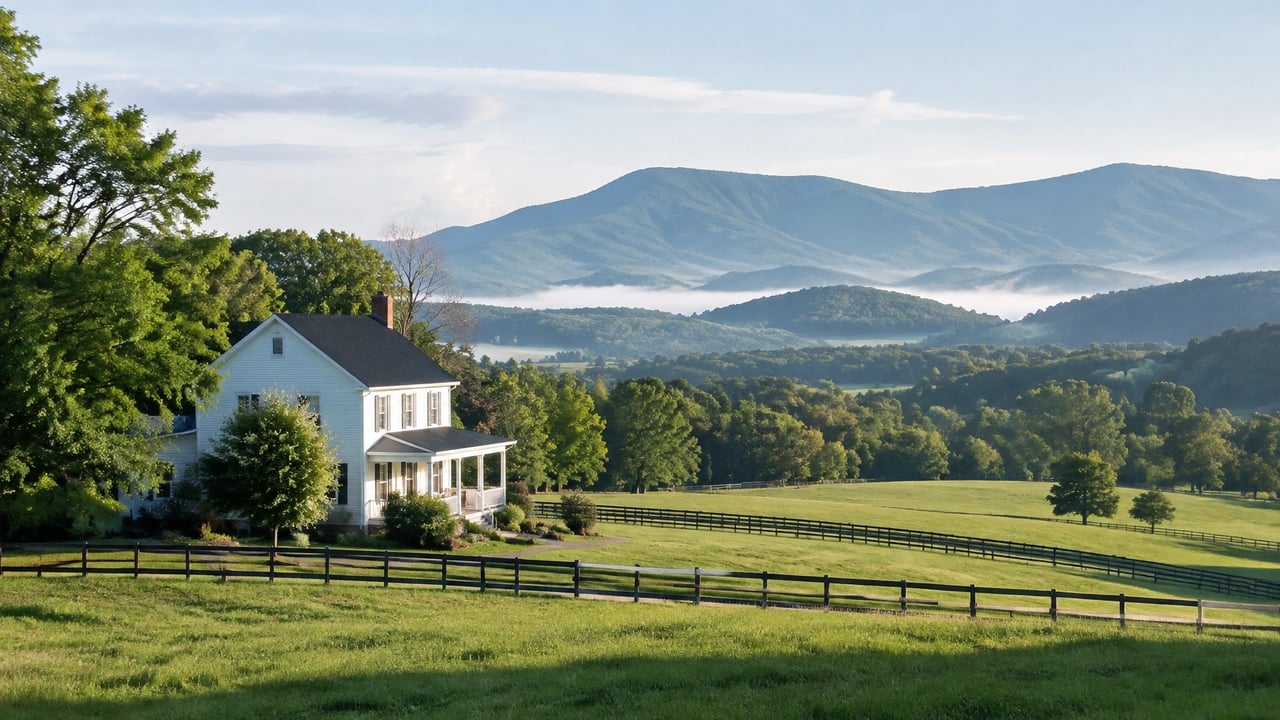
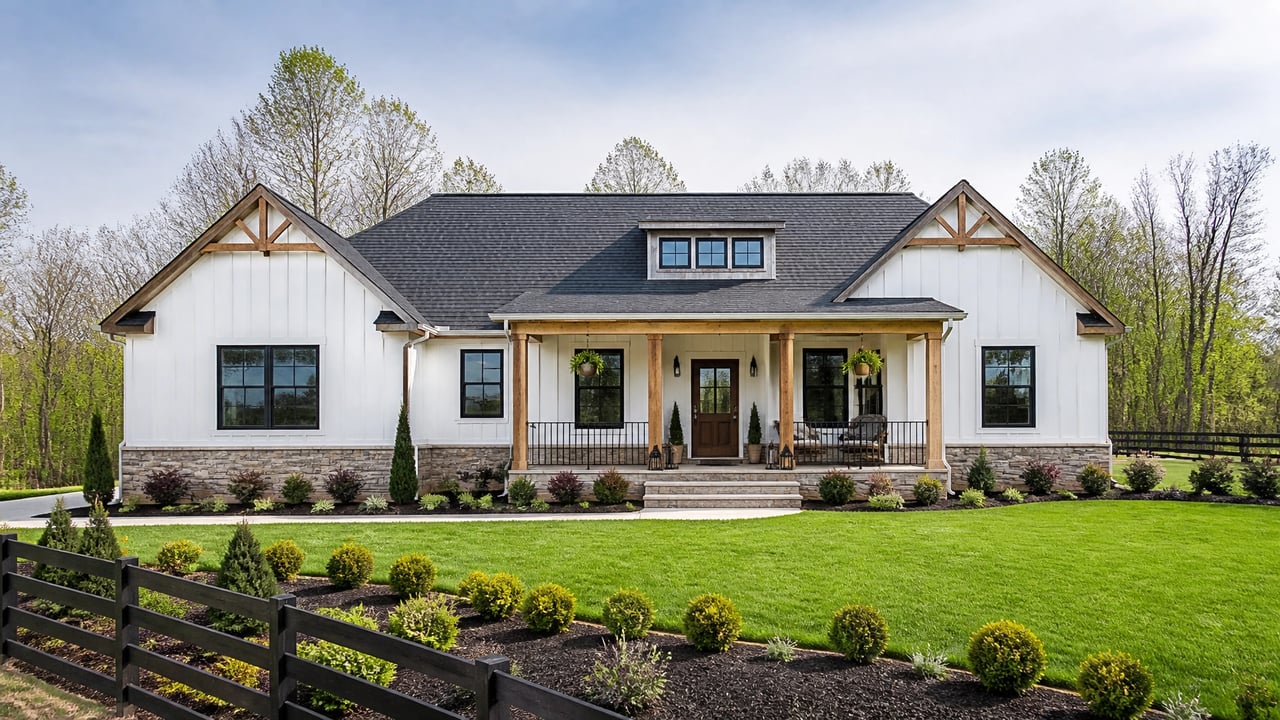
Farmhouse styles range from older, simple forms with gabled roofs and porches to newer modern farmhouses with board-and-batten siding and open-plan interiors. You will often find generous kitchens and family rooms, plus inviting outdoor spaces.
Historic iterations pop up near rural pockets, while many modern versions were built in the last 10 to 15 years. Buyers drawn to porches, larger lots, and indoor-outdoor living tend to love this style. Newer builds blend rustic touches with modern systems.
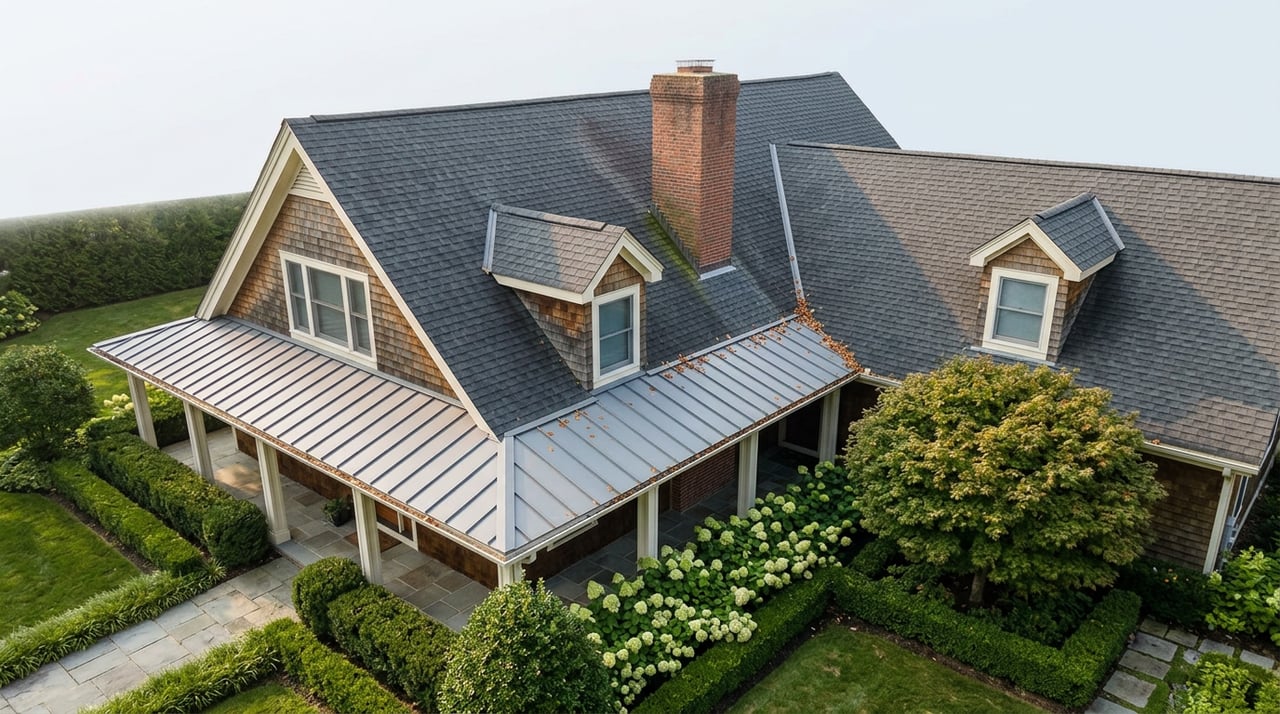
Upkeep depends on the materials. Board-and-batten wood needs regular painting or staining, and porches require routine checks for rot and termite damage. Metal roofs can last a long time but are typically a higher upfront cost. Larger lots also mean more lawn and tree care.
Split-level and ranch options
Split-level homes are a classic mid-century form, common from the 1950s through the 1970s. Expect short runs of stairs between a main living level, a lower family or flex level, and a garage level. Ranches, often grouped with split-levels, offer single-level living on a modest footprint.
Many buyers appreciate the value relative to square footage and the practical separation of spaces. If you prefer fewer stairs, a ranch is appealing, while split-levels create flexible zones without a full second story. These homes often come with attached garages and efficient lots.
Older split-levels and ranches may need updates. Look for modernized kitchens and baths, improved insulation and windows, and newer HVAC. Check crawlspaces for ventilation and moisture control, and confirm the condition and age of the roof.
Craftsman and Craftsman-influenced new builds
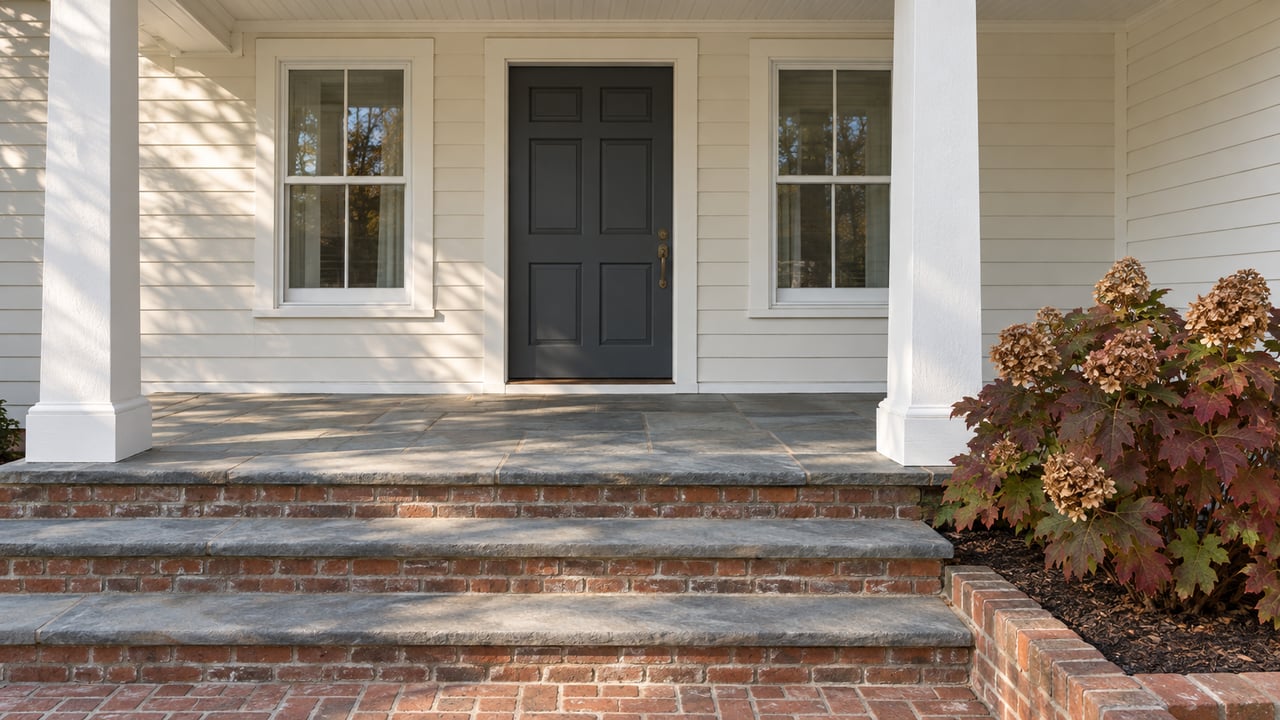
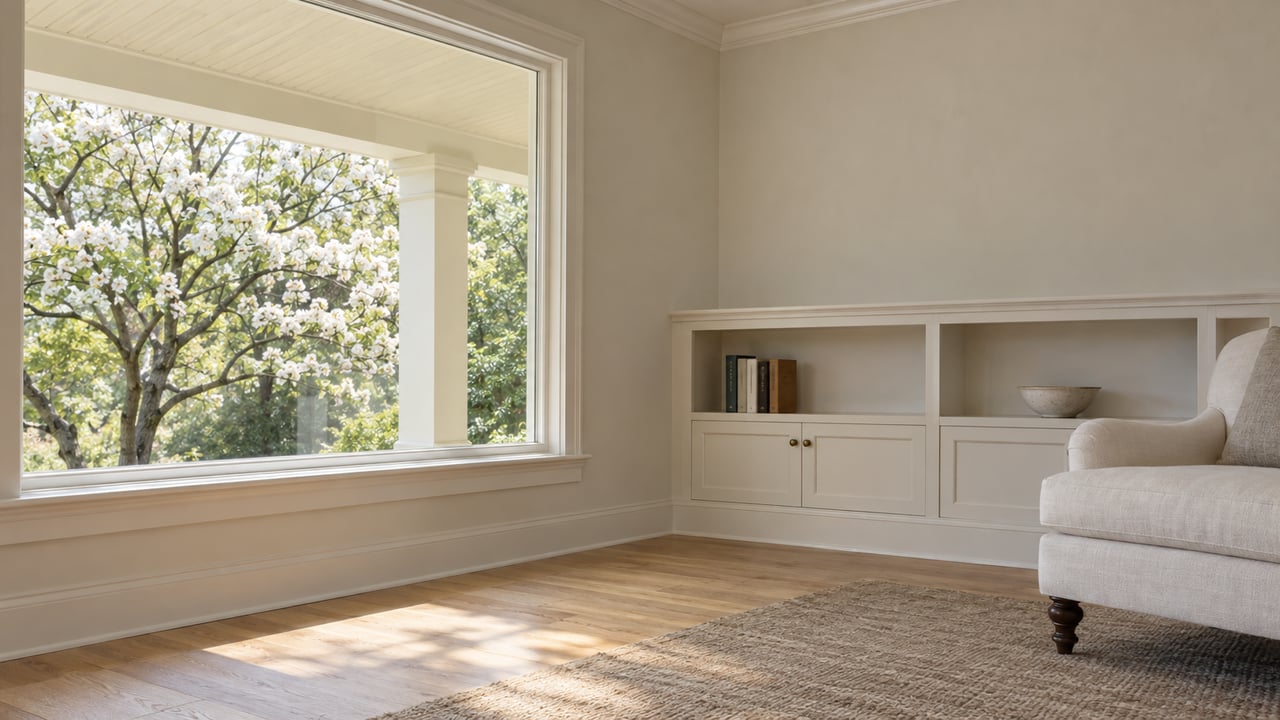
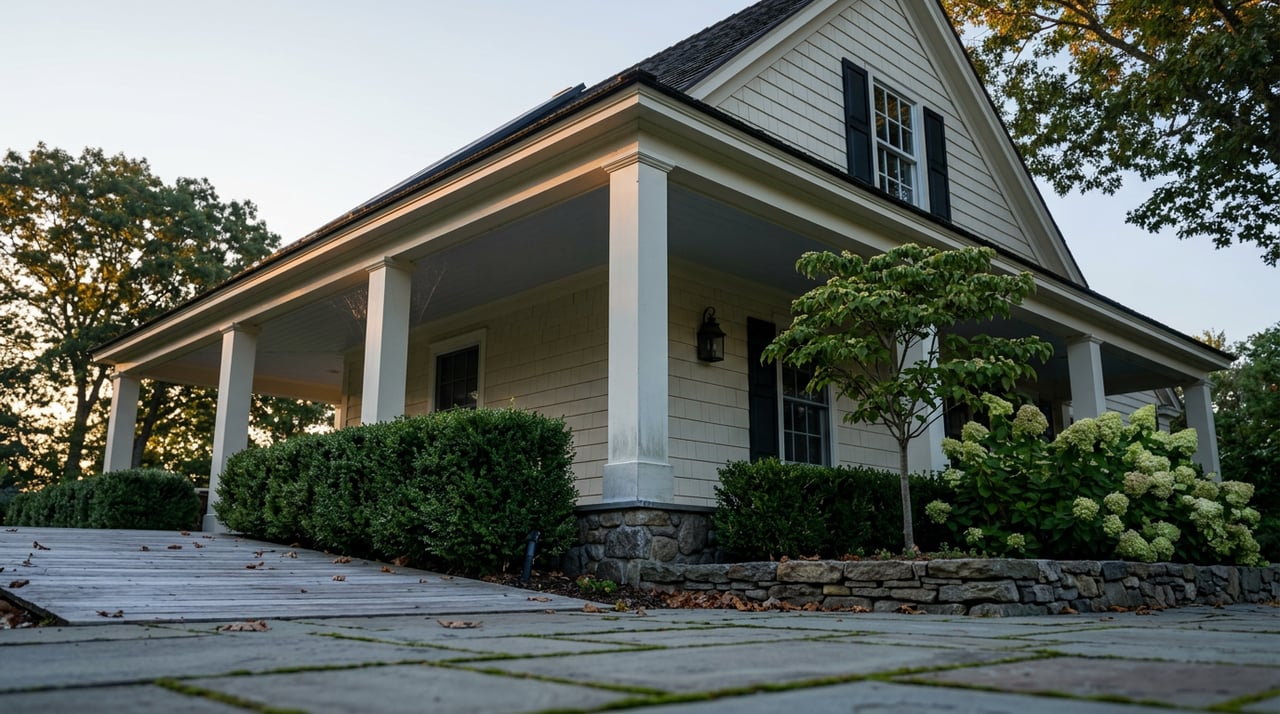
Craftsman homes are known for inviting front porches with tapered columns, mixed exterior materials, and warm details like built-in cabinetry and hardwood floors. Newer builds often borrow Craftsman elements while offering open layouts and energy-efficient systems.
You may spot a few older bungalows, but many Craftsman-influenced homes have been built in the last 10 to 20 years. Buyers choose them for character paired with modern functionality. Porches enhance everyday living and curb appeal.
Plan for routine care of exterior wood trim and porch components, especially in a coastal climate. The upside is that newer systems and better insulation in recent builds typically reduce short-term maintenance and improve comfort.
Coastal factors to weigh in Charlestown
Living near the coast shapes smart home choices. Here are key considerations for any style.
Flood risk and elevation
- Review whether a property sits in a FEMA-designated flood zone and ask for the finished floor elevation when available.
- Elevation, drainage, and flood-resilient construction can affect insurance costs and long-term risk.
Wind, storms, and salt exposure
- Salt air can corrode metal components and wear finishes faster. Favor corrosion-resistant fasteners and durable exterior materials.
- Roof tie-downs, impact-rated windows, and proper flashing help in windy and storm-prone periods.
Termite and moisture control
- Coastal Virginia has high termite pressure. Ask for recent pest inspections and treatment records.
- Crawlspaces and lower levels should have vapor barriers, good drainage, and ventilation or dehumidification.
Energy efficiency and HVAC
- Older homes may have dated insulation and HVAC, which impacts comfort and monthly costs.
- Newer builds typically use better insulation and higher-efficiency equipment that reduce utility bills.
HOAs, zoning, and permits
- Some neighborhoods have HOAs that guide exterior materials, colors, and fence types. Confirm rules before planning changes.
- Zoning and setbacks influence additions, accessory dwellings, and lot coverage.
Insurance and financing
- Lenders may require flood insurance in certain zones. Availability and cost affect affordability.
- Older systems, like outdated wiring or septic, can complicate financing. Ask early and plan for inspections.
Which style fits your lifestyle?
Use these quick matches to focus your search:
- Low maintenance: newer Craftsman-influenced homes with vinyl or fiber-cement siding, or brick colonials.
- Classic character and formal rooms: traditional colonials and older bungalows.
- Fewer stairs and accessibility: ranches or carefully chosen split-levels.
- Indoor-outdoor living and porches: farmhouses and Craftsman styles.
- Value and renovation potential: mid-century split-levels and ranches.
Smart questions to ask at showings
- What is the home’s flood zone and finished floor elevation? Is there an elevation certificate?
- How old are the roof, HVAC, water heater, and major systems? Any service records?
- Is the home on public sewer or septic? If septic, request maintenance records and an inspection.
- Are there HOA rules or deed restrictions for exterior changes?
- Has the home had termite treatment or a recent pest inspection?
- For older homes, have there been electrical or plumbing upgrades?
- What storm mitigation features are present, such as impact windows or reinforced garage doors?
Quick on-site inspection tips
- Look for moisture stains on ceilings and walls.
- Check crawlspaces for standing water, mold, or wood rot.
- Inspect porch posts, stairs, and trim for rot or termite damage.
- Note window types and attic insulation depth as signals of efficiency.
Budget and maintenance expectations by style
Your upkeep will vary by materials and age more than by style alone. Still, a few patterns can help you plan ahead.
- Brick and modern fiber-cement or vinyl siding reduce exterior painting needs. Brick requires mortar and flashing checks.
- Wood-heavy styles, like some farmhouses and Craftsman trims, need regular sealing and painting, especially in salty, humid air.
- Porches and exposed wood should be inspected for rot and fastener corrosion.
- Metal roofs often last longer but may cost more upfront; traditional asphalt roofs follow standard replacement cycles.
- Older mid-century homes can be great values, but factor updates to windows, insulation, electrical, and HVAC into your budget.
Final thoughts
Every style around Charlestown offers something distinct, from the timeless lines of a colonial to a porch-forward farmhouse or a value-friendly split-level. If you focus on layout, materials, and coastal readiness, you can narrow choices quickly and buy with confidence. When you are ready, we are here to guide you through inspections, local rules, and negotiations.
If you want tailored advice on homes in and around Charlestown, reach out to the Talbot Greenya Group. Get your instant home valuation or schedule a consultation.
FAQs
What home styles are most common in Charlestown, Virginia Beach?
- You will most often see colonial and colonial revival homes, split-levels and ranches from mid-century growth, plus newer Craftsman-influenced and modern farmhouse builds.
Which styles handle coastal weather best near Charlestown?
- Any style can perform well if updated with storm-ready features, corrosion-resistant materials, and good drainage; newer builds often include better windows, insulation, and tie-downs.
Are there good single-level options for downsizers?
- Yes, ranch homes offer single-level living, and some split-levels provide limited stairs; look for accessible entries or first-floor primary suites when available.
How hard is it to modernize older split-levels or colonials?
- It is usually straightforward to update kitchens, baths, windows, and HVAC; plan for insulation upgrades and electrical checks in older homes.
What should I expect with flood insurance in coastal Virginia Beach?
- Costs depend on flood zone, elevation, and mitigation features; lenders may require coverage in certain zones, so verify early in your search.
What upkeep do porches and wood trim need in this climate?
- Expect regular sealing or painting, plus checks for rot, fastener corrosion, and termite activity, especially on porch posts and exterior trim.