Most sellers assume the paperwork for a historic-district home shows up at the closing table, buried in disclosures nobody reads closely. In downtown Leesburg, that assumption gets a seller into trouble weeks before closing is ever on the table. The friction here isn't legal. It's scheduling. And it hits exactly the sellers who think they're being responsible by fixing something up before they list.
Here's the part that catches people off guard: Leesburg's broader market moves fast, with homes elsewhere in town going under contract in a matter of days to a few weeks depending on the listing. But a home inside the H-1 Old and Historic District doesn't answer to that clock. It answers to a board that meets once a month.
The Renovation That Waits a Month by Itself
Not every exterior project in the historic core needs a hearing. The town's Preservation staff can approve some things administratively, often within days: fences, paving a driveway, adding landscape lighting, changing an exterior paint color. If your pre-listing to-do list is cosmetic, you're probably fine.
The trouble starts with the bigger items. Window or door replacement and new construction, from small garages and sheds up to residential additions, have to go before the full Board of Architectural Review instead of getting a staff-level sign-off.
A Certificate of Appropriateness is required for all exterior alterations in the district, and the larger category of work has to clear the Board of Architectural Review before a permit is issued, not just before the work starts. The Board holds its regular business meetings on the third Wednesday of the month, with a work session on the first Monday as needed, and staff reports are posted the Thursday before the meeting, which tells you how far in advance an application has to be in the queue to make that month's agenda.
Miss the window, and you're not waiting a few days. You're waiting a full cycle.
If an inspection turns up a window that needs replacing, or the seller wants to swap out failing siding before listing, that single item can add four to eight weeks to a timeline that the rest of the Leesburg market would otherwise clear in half that time.
This is the actual risk in a historic-district sale. It isn't disclosure exposure. It's sequencing exposure. A seller who books photography and a listing date before confirming whether their pre-listing project needs a hearing is building a timeline around the wrong calendar.
The Paper Trail That Got a Lot More Complete in 2024
There's a second reason documentation matters more than it used to. In December 2024, the town began its first architectural survey of the Old and Historic District in 20 years, with Stantec's architectural historians documenting exterior conditions and building history block by block starting the week of December 9. The town held public information sessions at Thomas Balch Library and at the Donaldson Log Cabin, both a short walk from the district's core, to explain the process to residents and business owners before the survey teams went out.
That survey gave the town a current, detailed record of what each building in the district actually looks like, a baseline it hadn't updated in two decades. For a seller today, that cuts both ways. If your past exterior work was properly permitted and approved, the updated record backs you up. If a previous owner replaced windows or added a rear addition without ever getting a Certificate of Appropriateness, that gap is easier for staff to spot against the newer baseline than it would have been against a survey conducted 20 years earlier.
The practical move for anyone planning to list in the district: pull together any COA approvals, permits, or Board records tied to past exterior work before you go under contract, not after a buyer's inspector asks about a window that looks newer than the rest of the house. Preservation staff, including Preservation Manager Lauren Murphy and Senior Planner Heather Schmidt, can help confirm what's on file for a given address.
Two Historic Districts, One Address
Here's where a lot of confusion starts, and where a listing description can accidentally mislead a buyer. Leesburg has a locally designated historic district, the H-1 overlay, which is the one that actually triggers the Certificate of Appropriateness requirement. Separately, the Leesburg Old and Historic District is also listed on the National Register of Historic Places and the Virginia Landmarks Register.
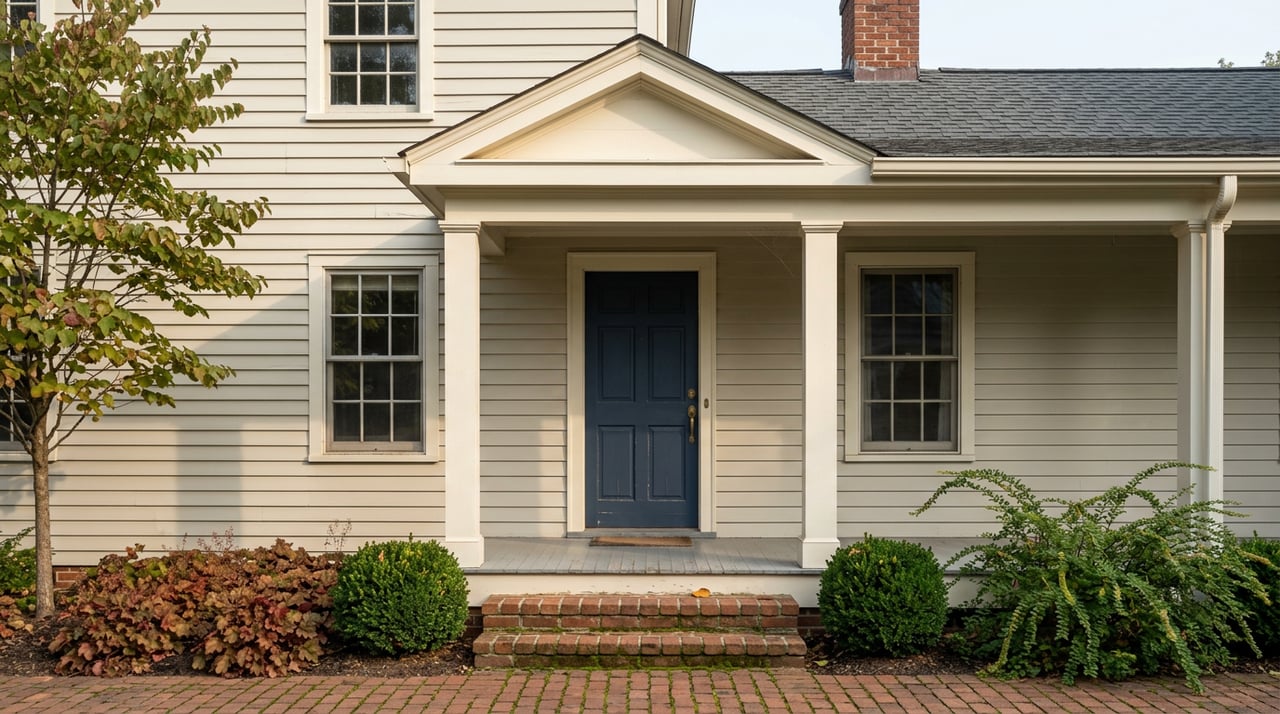
These sound like the same thing. They aren't. The town is explicit that the NRHP and VLR boundaries differ from the local H-1 overlay boundaries, and neither the National Register nor the Virginia Landmarks Register designation carries any local regulatory authority on its own. A home can sit inside the National Register district and outside the H-1 overlay, which means no COA requirement applies to its exterior work at all. A home can also sit inside H-1 and be a non-contributing structure, which gives its owner more flexibility with materials and design during Board review than a contributing historic building would have.
For a buyer planning to renovate after closing, that distinction changes the entire plan. For a seller, it changes what belongs in the listing description. Saying a home is "in the historic district" without specifying which one leaves a buyer to find out the hard way, usually mid-contract, exactly which set of rules applies to the property they're under contract on.
What Virginia Actually Requires You to Disclose
This is the part that surprises people in the other direction. Virginia's Residential Property Disclosure Act operates on a caveat emptor foundation. The standard disclosure form's historic district clause states plainly that the owner makes no representations about whether historic district ordinances affect the property, and it puts the burden on the purchaser to research the local ordinance, the official map, and any board approval requirements before settlement.
In other words, the law doesn't require a seller to walk a buyer through the H-1 rules at all. A seller can disclaim and move on. But a buyer who finds out about the Certificate of Appropriateness process for the first time during their home inspection contingency, after they've already fallen for a specific fireplace mantel or the proportions of a specific porch, is a buyer who starts asking for concessions or gets cold feet. Being upfront about the district, which overlay applies, and what past work was or wasn't approved tends to produce a smoother contract than leaning on what the law technically allows a seller to skip.
Reading the Comps When There Aren't Many
One more thing worth knowing before you set a list price. Citywide Leesburg numbers move around depending on the source and the month, largely because they're built from different slices of data, list prices versus closed sales, pending timelines versus days on market. As of March 2026, one widely tracked measure put Leesburg's median sale price at $695,000 with homes averaging 30 days on market. By June 2026, a separate home-value index put the typical Leesburg home at $756,000 and going to pending in about six days. And in July 2026, a third measure put the median list price at $899,000 with homes spending 34 days on market before going under contract. None of these are wrong. They're measuring different things.
That range isn't a contradiction so much as a reminder. Downtown's historic core has far fewer comparable sales in any given quarter than a subdivision with hundreds of similar homes. A single portal's zip-level median tells you almost nothing about what a federal-style rowhouse on a Loudoun Street lot is actually worth. Pricing a historic-district home well means pulling comps from inside the district, adjusted for lot size, condition, and whether the buyer will inherit contributing-structure status or the more flexible non-contributing designation, not applying a citywide average to a submarket that barely resembles the rest of Leesburg.
FAQ
Does owning a home in the historic district mean I can't repaint before I sell? No. Exterior paint color changes are handled administratively by Preservation staff and typically move quickly. The larger items, like window replacement or additions, are what require a full Board hearing.
How do I find out if my home is in the H-1 overlay, the National Register district, or both? Preservation staff can confirm this against the town's official maps. The boundaries for the local overlay and the National Register designation are not identical, so it's worth checking rather than assuming.
If I'm buying in the district, do I need to worry about work a previous owner did without approval? It's worth asking. Unpermitted exterior changes can surface during the town's review process later, and the newly updated architectural survey gives staff and the Board a more current record to compare a property against.
If you're weighing a sale inside Leesburg's Old and Historic District, or trying to figure out which overlay actually applies to a property you're considering, Talbot Greenya Group works this market closely enough to help you plan the calendar correctly the first time. Get your instant home valuation or schedule a consultation to talk through the timeline before you set a list date.