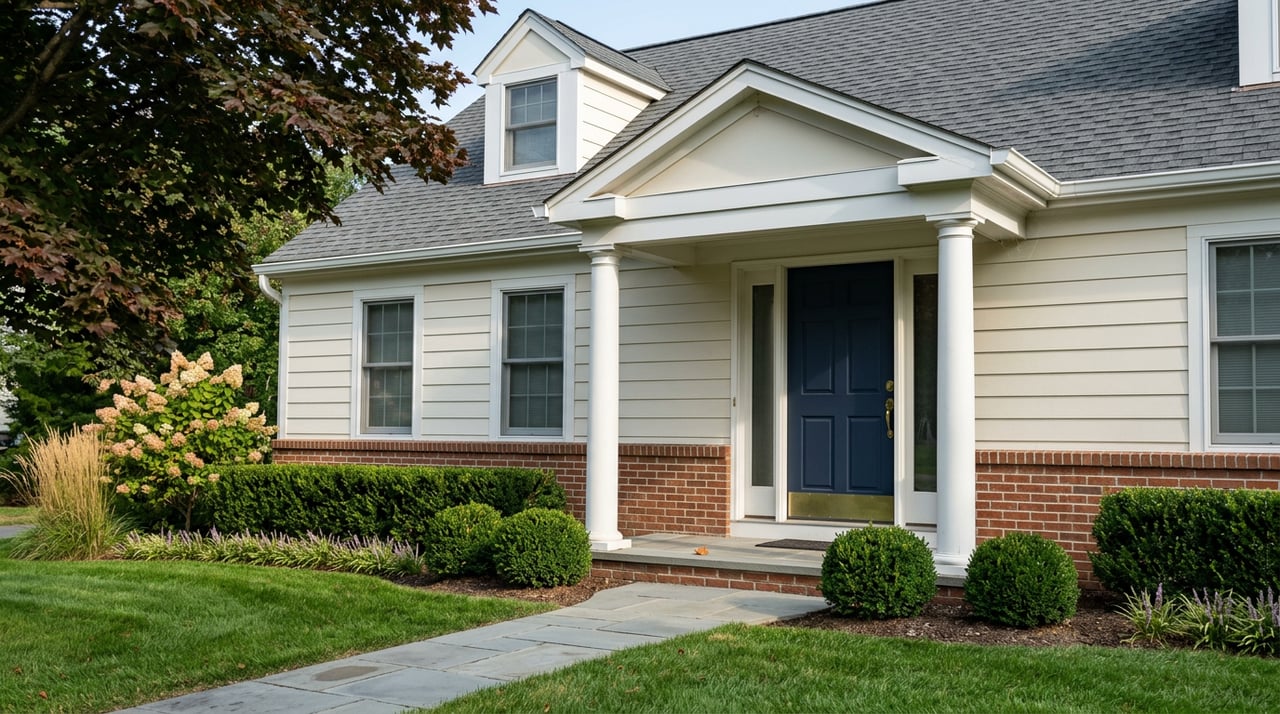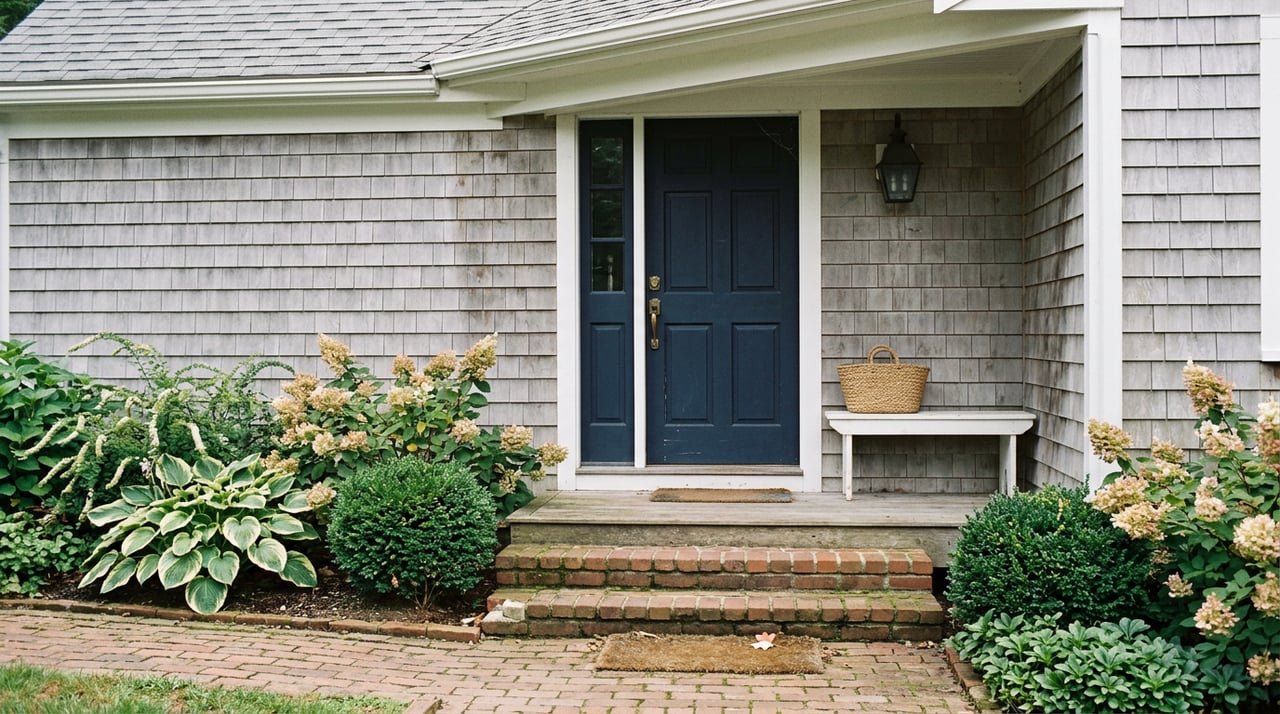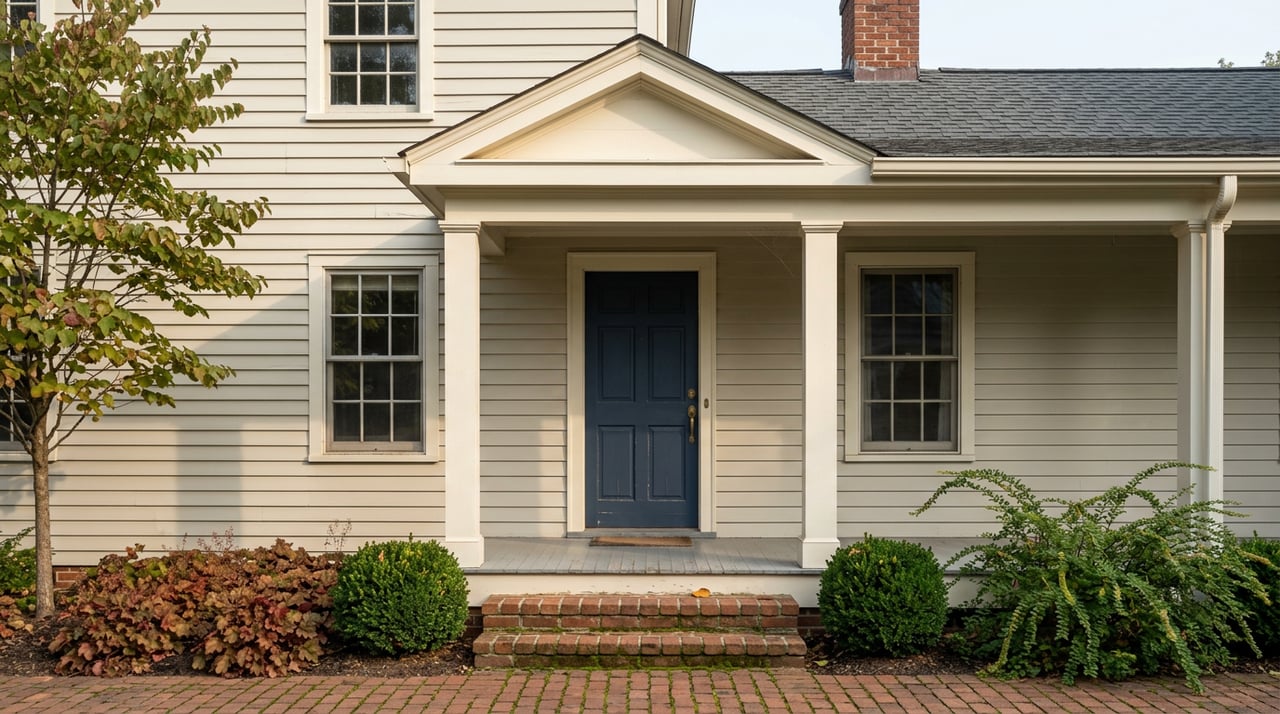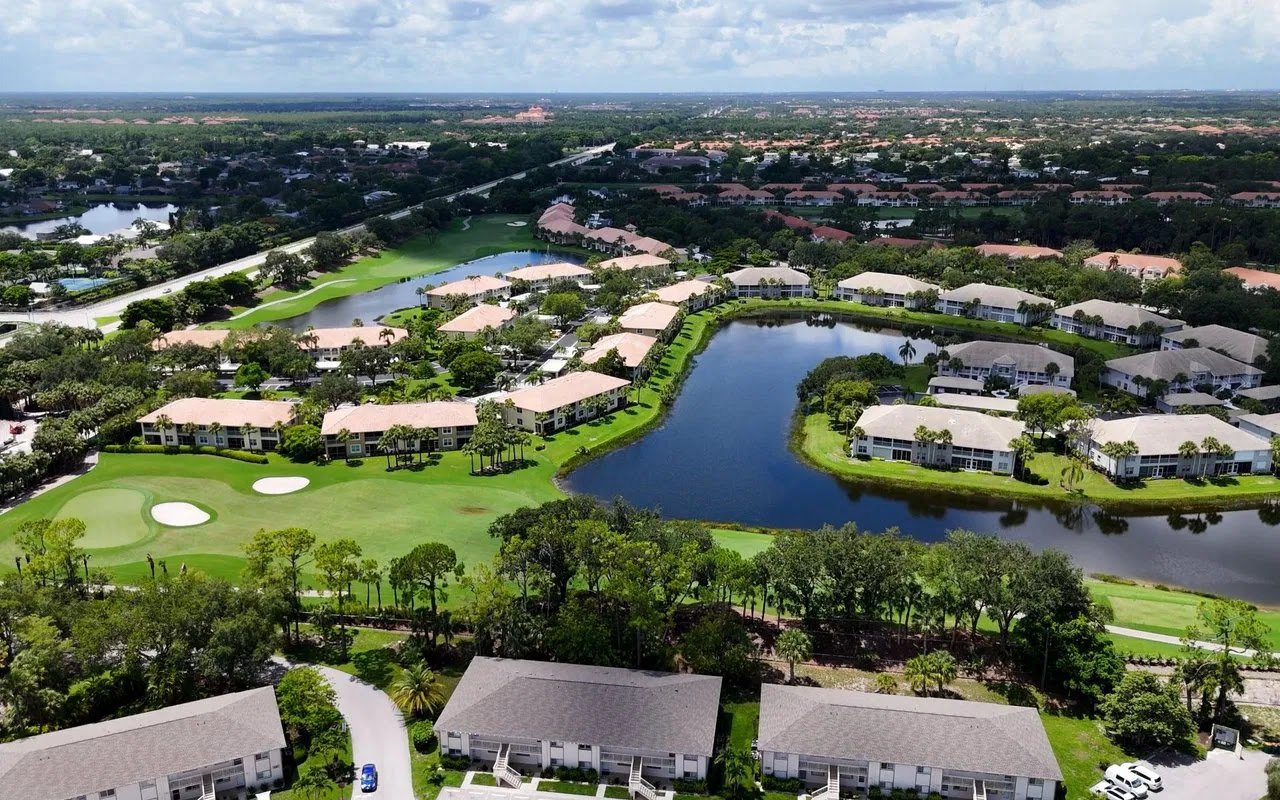
If your home has charm that newer properties cannot copy, you need a marketing plan that treats it like a standout, not a standard resale. Selling a character home near Charlestowne in Virginia Beach often means balancing original details, thoughtful updates, and local context so buyers can see both the story and the livability. With the right preparation and presentation, you can help buyers understand what makes your home special and why it deserves a closer look. Let’s dive in.
Start With the Right Story
A character home sells best when buyers quickly understand its identity. That does not mean calling it historic unless you can verify that status. In Virginia Beach, a home may have age, architectural detail, and preserved features without being part of a designated historic or cultural district or listed on the city’s register, so it is important to use accurate language from the start. You can review the city’s Historical Review Board information before making claims about designation.
Near Charlestowne, neighborhood identity can support that story. The area is recognized locally through the Charlestowne Civic League, with neighborhood references that include Charlestowne, Charlestowne Lakes, Charlestowne Woods, and Charlestowne East. That gives your listing a stronger sense of place, which matters when buyers are comparing homes that may be similar in size but very different in feel.
Highlight Features Buyers Remember
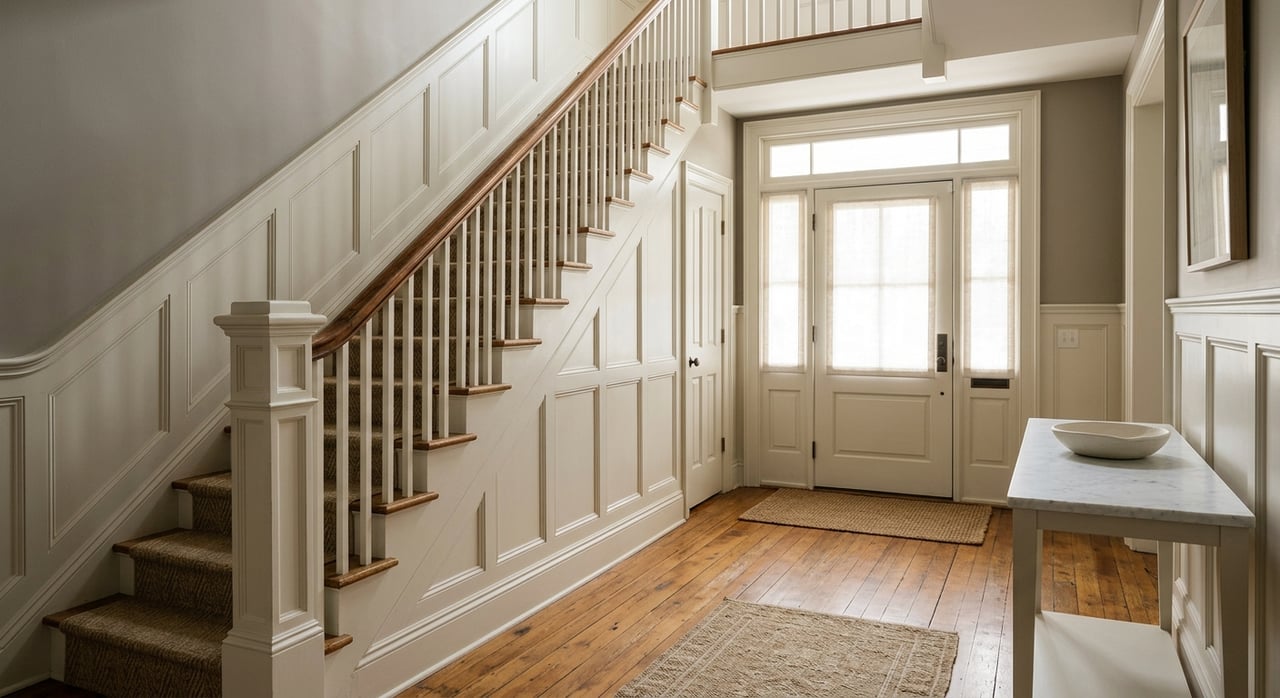
When a buyer walks through a character home, they are usually responding to details first. Original trim, wood floors, built-ins, fireplaces, window proportions, stair details, and other period elements often create the emotional connection that drives interest. Your marketing should make those features easy to notice in photos, video, and showing remarks.
According to the National Park Service, distinctive older features are generally best repaired rather than replaced, and when replacement is necessary, new work should match the old in design, color, texture, and, where possible, materials. That guidance matters before listing because it supports a simple truth: buyers shopping for character usually want to see the craftsmanship, not watch it disappear under generic updates. You can learn more from the National Park Service guidance on replacement materials.
Make Smart Pre-Listing Updates
The goal before listing is not to erase age. The goal is to improve condition while protecting what gives the home personality. That often means repairing damaged woodwork, freshening paint in a period-appropriate way, addressing deferred maintenance, and improving function where buyers will notice it most.
This selective approach is usually more effective than a full cosmetic overhaul. The same National Park Service guidance warns against creating a false historical appearance, which is a helpful reminder to avoid trendy changes that clash with the home’s style. If a detail can be repaired and still read as authentic, that is often the better move.
A light exterior refresh can also go a long way. The National Trust notes that landscaping can improve curb appeal and help a historic home’s architecture read more clearly from the street, as long as it does not hide deterioration or damage. That could mean trimming overgrowth, defining beds, refreshing walkways, and making sure the front approach feels cared for. See the National Trust’s curb appeal ideas for examples.
Verify District Rules Before Exterior Work
If your home is in a designated historic or cultural district, timing matters. In Virginia Beach, exterior alterations, repairs, maintenance, additions, new construction, signs, and demolition in those districts require a certificate of appropriateness before permits are issued. Applications are due on or before the 10th of each month, so even small exterior projects may need more lead time than sellers expect.
That is why one of the first steps in marketing a character home should be confirming whether the property is formally regulated or simply older and architecturally distinctive. The answer affects your update plan, your timeline, and the wording used in your listing. The city’s Historical Review Board page is the best place to start.
Prepare Flood Documents Early
In Virginia Beach, property preparation is not just about looks. It can also include documents that buyers and insurers may ask for early in the process. The city notes that homes and commercial properties can be threatened by flooding from heavy rain, hurricanes, and nor’easters, and that flood insurance is separate from standard homeowners coverage.
If your property is in a Special Flood Hazard Area, construction requires a permit, and an elevation certificate may help determine flood insurance rates. Virginia Beach also maintained a Class 7 CRS rating in 2025, which preserves a 15% flood-insurance premium discount for residents and businesses. Reviewing the city’s floodplain management resources before listing can help you gather the right paperwork and answer buyer questions with confidence.
Use Staging to Clarify the Home
Character homes often have room layouts or architectural details that need context. Good staging helps buyers understand how the space lives today while keeping the home’s personality front and center. Instead of overfilling rooms, focus on scale, flow, and sightlines so buyers can see both the detail and the function.
That strategy is backed by data. In the National Association of Realtors’ 2025 Profile of Home Staging, 83% of buyers’ agents said staging made it easier for buyers to visualize a property as a future home, 29% said staging led to a 1% to 10% increase in the dollar value offered, and 49% of sellers’ agents said staging reduced time on market. You can review the findings in the NAR home staging report.
For many character homes, the rooms most worth staging are the living room, primary bedroom, dining room, and kitchen. Those are also among the most commonly staged spaces in NAR’s reporting, which makes sense because they help buyers quickly understand daily life in the home.
Invest in Feature-Driven Visual Marketing
A character home should never be marketed with generic visuals. Buyers need crisp photography, thoughtful video, and a layout that shows how special details connect from room to room. That includes close-ups of craftsmanship, wider shots that capture proportion, and visual sequencing that helps buyers understand the home before they ever schedule a showing.
NAR reports that buyers’ agents rank photos, videos, virtual tours, and physical staging as important listing assets. For a distinctive property, that means your visuals should do more than document square footage. They should explain why the home feels different. The 2025 NAR staging snapshot reinforces how important those presentation tools are in today’s search process.
Build a Broad, Inclusive Marketing Plan
When you market a character home, your audience may be wider than you think. Some buyers are drawn to architecture. Others care more about condition, updates, and setting. The strongest strategy usually blends all three, leading with the home’s design and supporting it with clear information about upkeep and livability.
That distribution plan should be broad and non-discriminatory. In practice, that can include MLS exposure, agent-to-agent outreach, professional visuals, virtual tours, email marketing, and community-facing promotion where appropriate. Virginia Beach states that its Housing and Neighborhood Preservation department operates in accordance with Federal Fair Housing Law, so listing language and promotion should stay neutral, factual, and accessible.
Use Open Houses Strategically
Open houses can be especially effective for homes with character because buyers can experience the scale, light, and texture in person. Features like ceiling height, built-ins, trim work, and room transitions often land better in real life than they do on a phone screen. That in-person experience can help your home stand apart.
NAR’s guidance on open houses notes that unique features and desirable amenities can be showcased this way. It also recommends clean and decluttered rooms, strong natural light, and a flyer with important property information, along with follow-up and cross-promotion after the event. You can explore these best practices in NAR’s field guide to open houses.
Lean Into Charlestowne Context
Buyers do not purchase a house in isolation. They also respond to the surrounding setting and how a home fits into it. In and around Charlestowne, that can mean referencing the neighborhood’s established identity, nearby road access, and community activity in a factual, grounded way.
The Charlestowne neighborhood site reflects an active civic structure and recurring community involvement, including National Night Out participation in Charlestowne East Park. For a seller, that does not mean overselling the neighborhood. It means using real local context to support the home’s story and give buyers a clearer picture of place.
The Best Marketing Mix for a Character Home
If you are selling a character home near Charlestowne, the strongest marketing usually combines three messages: architecture, condition, and location context. Architecture creates interest. Condition builds confidence. Location helps buyers picture daily life.
That is where a consultative listing strategy matters. You want a plan that respects the home’s details, verifies what should be said about age or designation, prepares key documents early, and presents the property with polished, professional marketing. If you are preparing to sell, the Talbot Greenya Group can help you build a thoughtful strategy that protects the home’s story while positioning it for today’s buyers.
FAQs
Is a character home in Charlestowne the same as a historic home?
- No. A home can have character and older architectural details without being in a designated historic or cultural district. You should verify status through Virginia Beach before marketing it as historic.
What repairs should you make before selling a character home in Virginia Beach?
- Focus on visible condition issues, deferred maintenance, and repairs that preserve original details when possible instead of replacing them with mismatched modern materials.
Does a Virginia Beach seller need approval for exterior work on an older home?
- If the property is inside a designated historic or cultural district, Virginia Beach requires a certificate of appropriateness before permits are issued for many types of exterior work.
What flood documents should you gather before listing a home in Virginia Beach?
- Start with any flood insurance information, elevation certificate if available, and records tied to flood-zone compliance or prior permitted work, especially if the property is in a Special Flood Hazard Area.
Why is staging important when marketing a character home near Charlestowne?
- Staging helps buyers understand room function, scale, and flow while keeping original details visible, which can increase interest and reduce time on market.
What marketing works best for a character home near Charlestowne?
- Professional photography, video, virtual tours, strong listing copy, broad MLS exposure, agent outreach, and well-planned open houses usually work best when they highlight architecture, condition, and neighborhood context together.