If you are trying to choose between living in Winchester itself or a little farther out, you are not alone. This is one of the biggest decisions buyers make in the area because "around Winchester" can mean a walkable historic city setting, a small-town environment, or a more rural property with extra land. The good news is that each option offers clear advantages, and once you understand the tradeoffs, your search gets a lot easier. Let’s dive in.
What “in-town” and “outskirts” mean
Around Winchester, these two categories are not just different neighborhoods. They are different living patterns.
In-town usually means the City of Winchester, especially Old Town, nearby city neighborhoods, and homes within or near the Historic Winchester District. The city covers 9.3 square miles, which creates a more compact, connected feel.
The outskirts usually mean the surrounding parts of Frederick County, including towns like Stephens City and Middletown, along with suburban and rural residential areas. Frederick County covers 416 square miles, so the setting changes quickly once you move outside the city.
In-town Winchester at a glance
Living in town often appeals to buyers who want daily convenience and a stronger sense of being close to local amenities. In a compact city, your routines can feel more efficient because key destinations are closer together.
Winchester also has an unusually strong amenity core for its size. The Green Circle Trail connects Old Town with Glen Burnie, the Museum of the Shenandoah Valley, Shenandoah University, Jim Barnett Park, Winchester Medical Center, and Abrams Creek Wetlands Preserve.
That access matters in everyday life. The city also reports more than 270 acres of park land, with more than 170 acres at Jim Barnett Park alone.
Historic character in the city
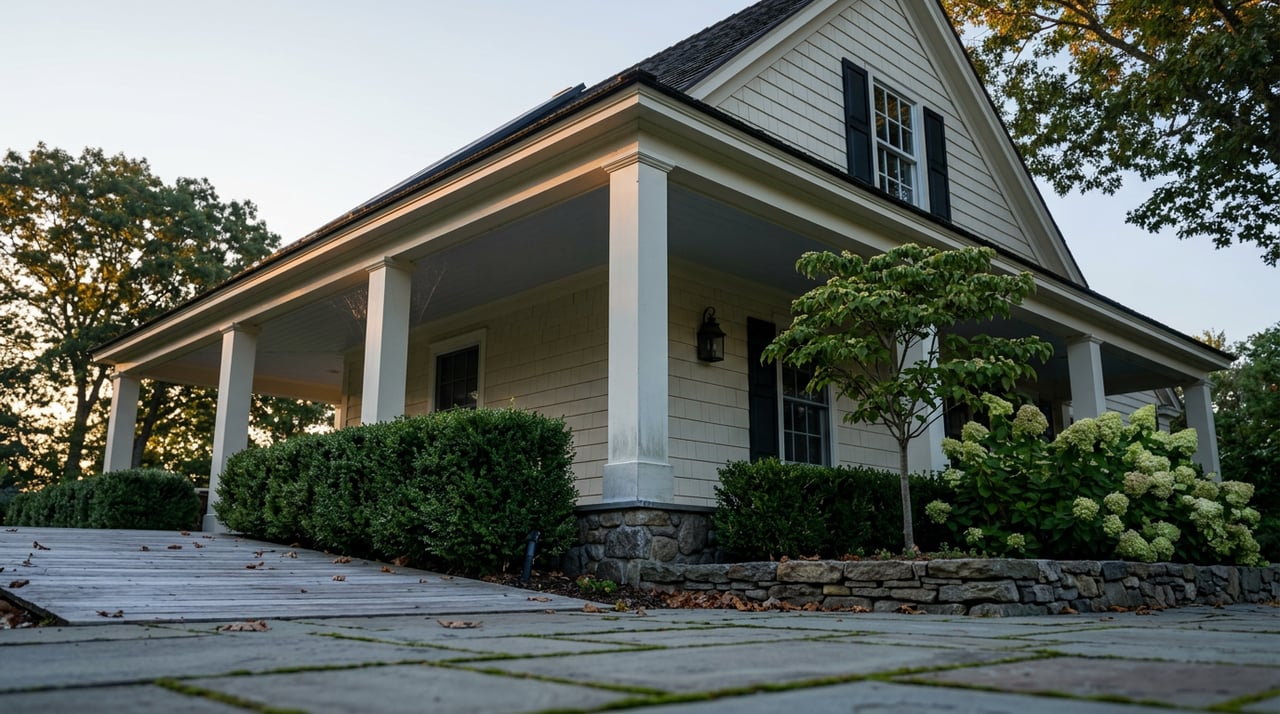
If you love older architecture and established streetscapes, in-town Winchester may feel like the right fit. The city’s Historic Winchester District helps protect the appearance of properties visible from public streets and public spaces.
That preservation comes with a practical tradeoff. Exterior changes visible from public areas require approval, which can add review steps if you plan to renovate.
Walkability and errands
One of the biggest draws of living in town is how many daily needs are within easier reach. Winchester Transit offers two fixed loop routes, WinReady on-demand service inside the city, paratransit, and a Laurel Ridge route to the community college’s Middletown campus.
The Loop Route runs every half hour and serves stops that include shopping centers, Winchester Medical Center, the Museum of the Shenandoah Valley, Old Town Mall, and downtown. For some buyers, that kind of access can make day-to-day life simpler.
Parking in Old Town
Some buyers worry that downtown living automatically means constant parking frustration. In Winchester, the picture is more balanced than many people expect.
Old Town has about 2,000 parking spaces, four covered autoparks open 24/7, and up to four hours of free parking at metered spaces. Parking is still part of the routine, but it is a manageable one for many residents.
Outskirts living around Winchester
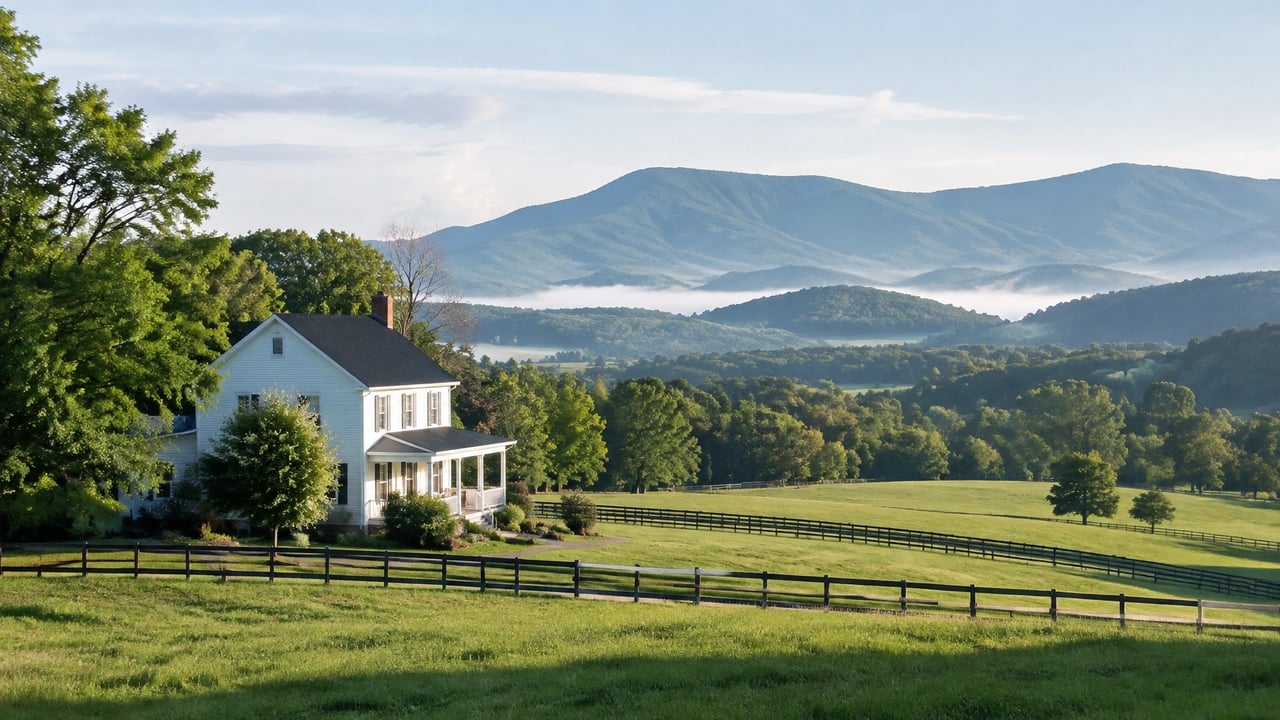
If your priority is space, the outskirts may offer a better match. Outside the city, you will find a wider range of lot sizes, development patterns, and property types.
This is where “around Winchester” really opens up. Some buyers want a small-town setting, while others are looking for more separation from neighbors or room for a more rural lifestyle.
More land and flexible lot patterns
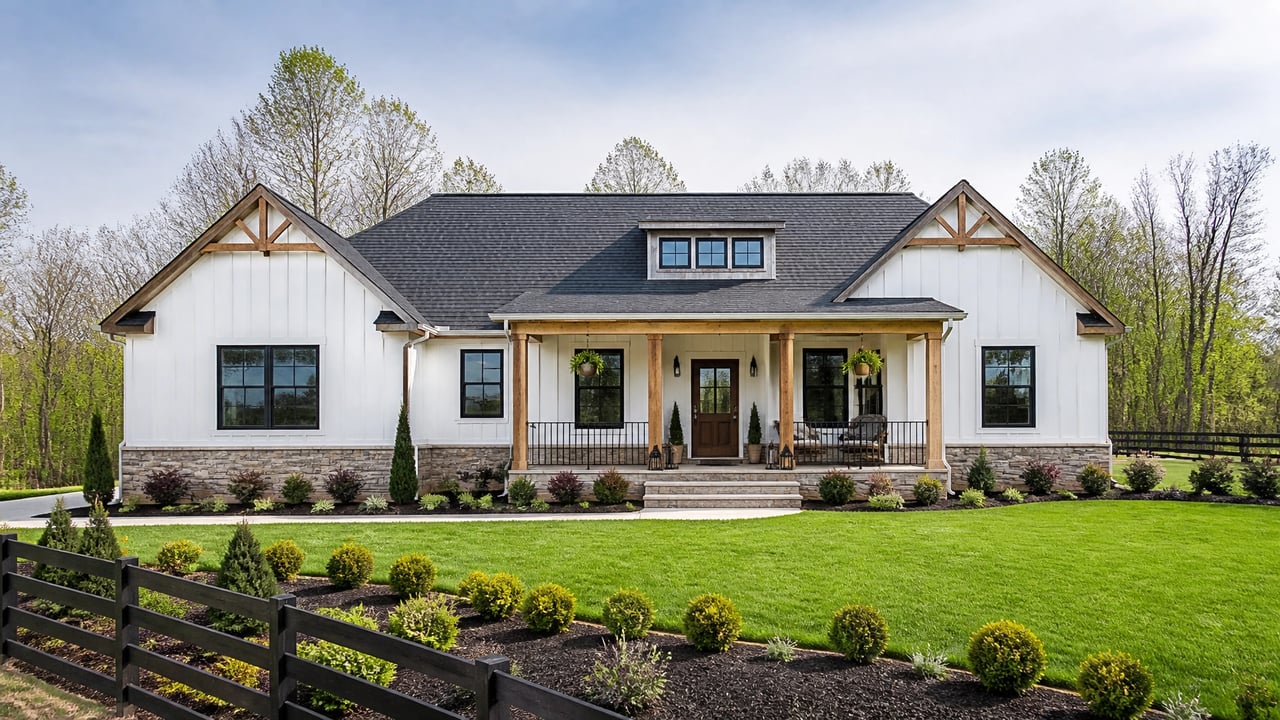
One of the clearest structural differences is land. In Frederick County’s rural RA zoning, the traditional minimum lot size is 5 acres, along with larger setbacks than closer-in residential districts.
That does not mean every outskirts property is rural, but it does show how different the county can feel from the city. If you want more land, more privacy, or room for certain rural property types, the county may offer options that are harder to find in town.
Small-town settings nearby
The outskirts are not all wide-open countryside. Nearby towns have their own identity and scale.
Stephens City describes itself as a small town that has kept a small-town atmosphere even while growing. Middletown is known as the official gateway to Cedar Creek and Belle Grove National Historical Park.
These towns can also offer historic character, just in a different format than Old Town Winchester. Stephens City has a Historic Preservation Commission that reviews and approves new construction and alterations, while Middletown’s historic district includes building styles from late-18th-century vernacular log dwellings to mid-20th-century Colonial Revival structures.
Commuting and daily mobility
How you get around should play a major role in your decision. Your ideal home is not just about the house itself. It is also about what your week feels like once you move in.
In the city, transit and proximity can support a more connected routine. In the county and surrounding towns, daily life tends to be more road-centered.
City transportation options
Within Winchester, transit options are more developed than some buyers expect for a city of its size. Fixed-route service, on-demand city service, and paratransit can give you more flexibility for errands and appointments.
That does not mean every in-town resident lives car-free. It does mean you may have more ways to manage your day without relying on long drives for every stop.
County road access
Outside the city, road access becomes a bigger part of daily planning. Frederick County’s network includes I-81, I-66, US 50, US 11, US 522, VA 7, and VA 37.
The county also promotes RideSmart ride-matching, and most county roads are maintained by VDOT. For many buyers, this points to a lifestyle built more around driving between destinations rather than clustering errands in one central area.
Services and recurring costs
Price is important, but so is the structure behind your monthly and yearly costs. Two homes with similar asking prices can feel very different once you factor in utilities, taxes, and property-related obligations.
That is why it helps to compare city and county living beyond the purchase price alone.
City services in Winchester
In Winchester, municipal services are more centralized. The city’s Public Services department handles water, trash and recycling, public transit, downtown parking, street maintenance, trees, and stormwater.
City utility bills can include water, sewer, trash, recycling, and or stormwater. For some buyers, that bundled structure feels simpler and more predictable.
County utility structure
In Frederick County, utilities are provided by various agencies and companies, with water and sewer through Frederick Water. That can create a different ownership experience depending on where the property is located and how services are set up.
This is one reason it is smart to compare not only taxes, but also utility arrangements and any HOA dues before you decide where to buy.
Real estate tax comparison
The 2026 real estate tax rate is $0.795 per $100 of assessed value in the City of Winchester and $0.53 per $100 in Frederick County. That is a meaningful recurring-cost difference.
Still, a lower tax rate does not automatically mean the total cost of ownership is lower. Utilities, lot size, maintenance needs, and any historic-district review considerations can all shape the bigger picture.
Which lifestyle fits you best?
There is no universal right answer here. The better choice depends on how you want your days to work.
In-town Winchester often suits buyers who value shorter errands, transit access, downtown amenities, parks, trails, and historic character. If you like being closer to shops, restaurants, and a connected city layout, this option may feel more natural.
The outskirts often suit buyers who want more land, more separation, and a quieter road-based routine. If your priority is space and flexibility, or if you are drawn to small-town or rural settings, looking beyond the city limits may make more sense.
Questions to ask before you decide
Before you narrow your search, it helps to think through your real daily priorities. A beautiful house in the wrong setting can feel less satisfying than a good-fit home in the right location.
Ask yourself:
- Do you want a compact routine with easier access to downtown and city amenities?
- Would you enjoy living in or near a historic district with exterior review rules?
- Do you want more land or more distance between homes?
- How much driving are you comfortable with each week?
- Are you comparing city and county taxes along with utilities and maintenance?
- Do you prefer a city setting, a small-town atmosphere, or a more rural property?
Making a smart Winchester-area move
The Winchester area gives you real variety, which is a good thing. It also means you need to evaluate homes in the context of lifestyle, services, and long-term fit, not just price and square footage.
Whether you are drawn to Old Town charm, a nearby small-town setting, or a county property with more room to spread out, the best move starts with clear local guidance. Talbot Greenya Group can help you compare options, understand the tradeoffs, and find the setting that fits the way you want to live.
FAQs
What does in-town living around Winchester usually mean?
- In-town living usually refers to the City of Winchester, especially Old Town, nearby city neighborhoods, and homes in or near the Historic Winchester District.
What does outskirts living around Winchester usually include?
- Outskirts living usually refers to Frederick County towns such as Stephens City and Middletown, along with suburban and rural residential areas outside the city.
Is Winchester city living more convenient for errands?
- Winchester city living can offer shorter errands and more transportation options because the city is compact and includes transit services, downtown parking, and a concentrated amenity core.
Are there historic district rules for Winchester homes?
- Yes. In the Historic Winchester District, exterior changes visible from public streets or public spaces require approval.
Do outskirts properties around Winchester usually have larger lots?
- They can. Frederick County’s rural RA zoning has a traditional 5-acre minimum lot size, which highlights the greater potential for larger rural parcels outside the city.
Are real estate taxes different in Winchester and Frederick County?
- Yes. The 2026 real estate tax rate is $0.795 per $100 of assessed value in the City of Winchester and $0.53 per $100 in Frederick County.
Is public transit available in Winchester?
- Yes. Winchester Transit offers two fixed loop routes, WinReady on-demand service inside the city, paratransit, and a route to the Laurel Ridge campus in Middletown.