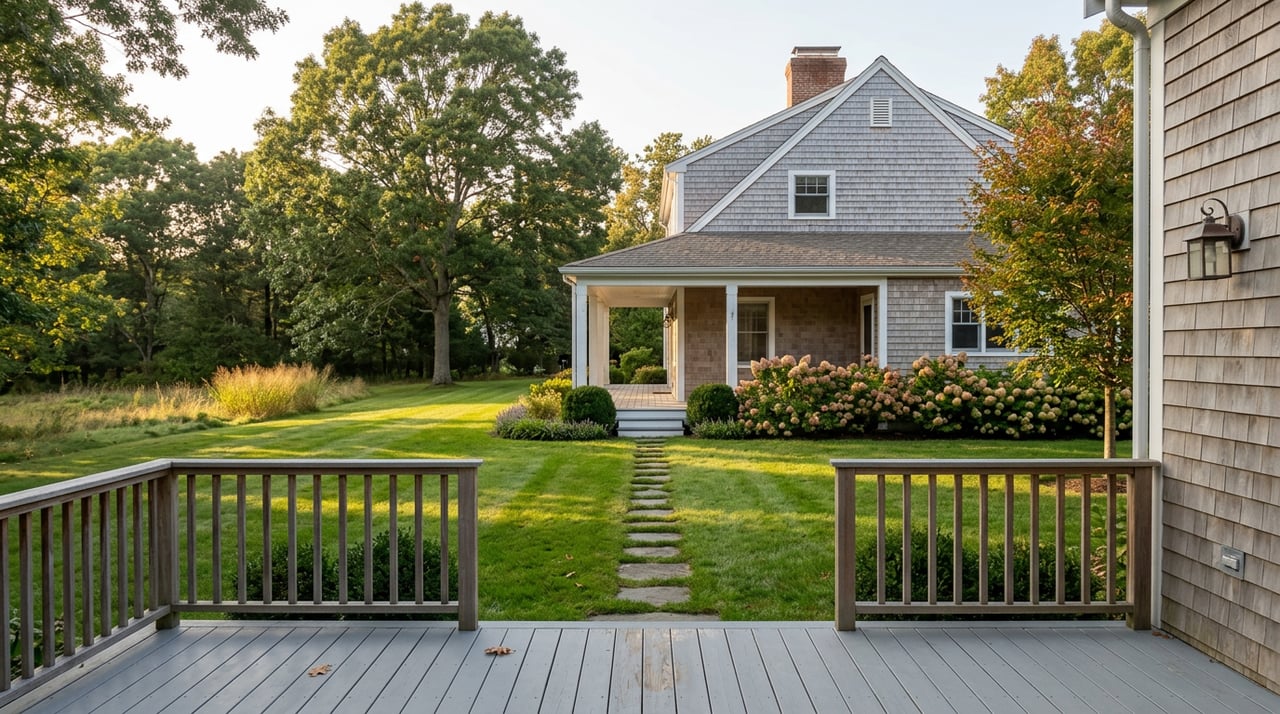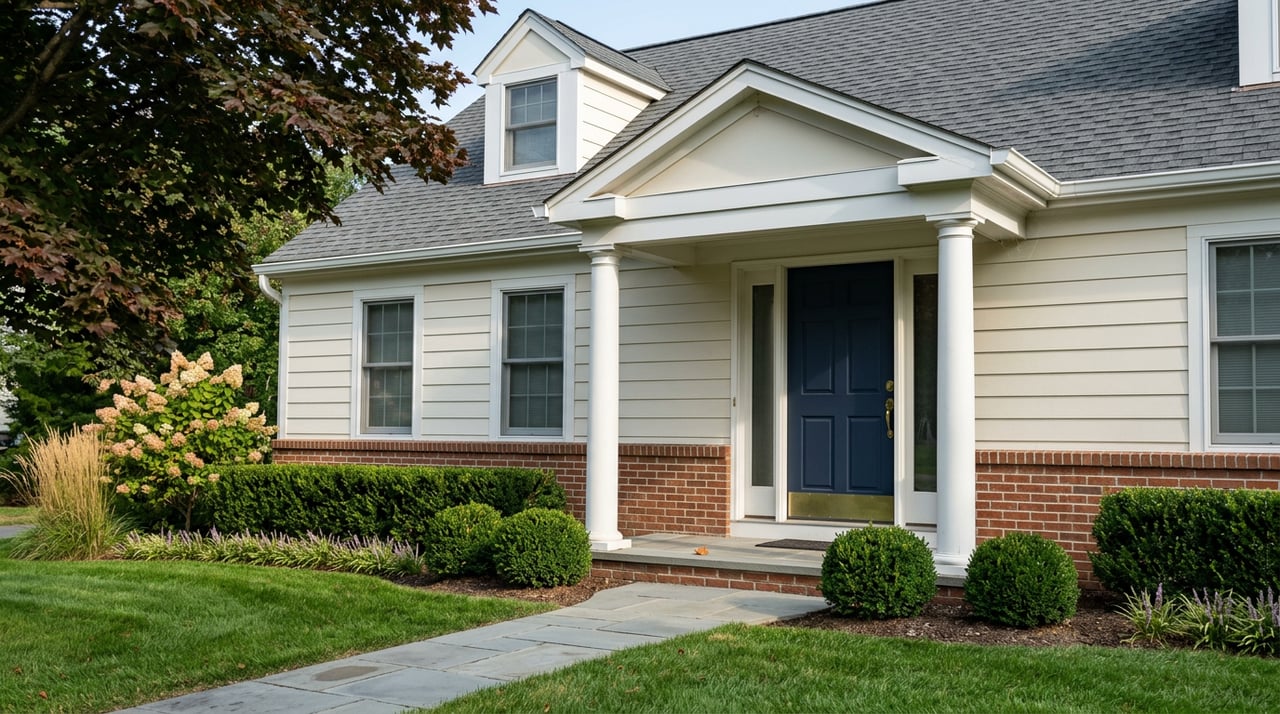
Relocating to the Shenandoah Valley or Eastern Panhandle can give you more space, a slower pace, and access to growing employment centers. But crossing the Virginia–West Virginia line affects taxes, commuting, schools, utilities, vehicle registration, and your closing process.
Use this practical checklist to compare communities, organize your move, and make decisions with confidence. Talbot Greenya Group helps buyers, sellers, renters, investors, and relocating families throughout Winchester, Leesburg, Martinsburg, Charles Town, Purcellville, Berryville, and Stephens City.
Step 1: Decide Which Side of the State Line Fits Your Priorities
There is no universally "better" state. The right choice depends on your job location, budget, preferred lifestyle, and tolerance for commuting.
Income tax: Virginia 2026 marginal rates range from 2% to 5.75% (Virginia Department of Taxation). West Virginia 2026 rates range from 2.11% to 4.58% after the state's 5% reduction (West Virginia Tax Division).
Sales tax: Generally 5.3% in the Winchester area; Loudoun County is generally 6% because of the regional add-on. West Virginia state sales tax is 6%, with the final rate depending on location and applicable local rules.
Property tax: In Virginia, set locally by the city or county. Compare the assessed value and annual bill for each property. In West Virginia, also set locally by county, municipality, and levy. Do not assume every WV property has the same tax burden.
Housing pattern: Virginia offers more established suburbs, rural properties, historic homes, and proximity to Northern Virginia. West Virginia often offers more space for the money, with growing commuter communities and a mix of town, suburban, and rural housing.
Commute: Virginia corridors include I-81, Route 7, Route 50, and Route 340; Leesburg and Purcellville offer closer access to Northern Virginia employment centers. West Virginia corridors include WV Route 9, US-340, I-81, and MARC access toward Maryland, Northern Virginia, and Washington, D.C.
Infrastructure: Utilities vary by property in both states, especially outside city limits. In rural areas, verify well, septic, propane, broadband, and road maintenance before committing.
Important: Tax rates are only one part of your financial picture. A lower purchase price can be offset by fuel, tolls, longer commute times, private-road maintenance, or limited broadband.
Next step: Create a side-by-side monthly budget that includes mortgage or rent; property taxes and insurance; commuting fuel, tolls, parking, or rail costs; child care and school-related expenses; utilities and internet; home maintenance; and vehicle taxes, registration, and insurance.
Explore current homes through the Talbot Greenya Group property search (https://soldbytgg.com/home-search/listings), then compare the complete cost of ownership, not just the list price.
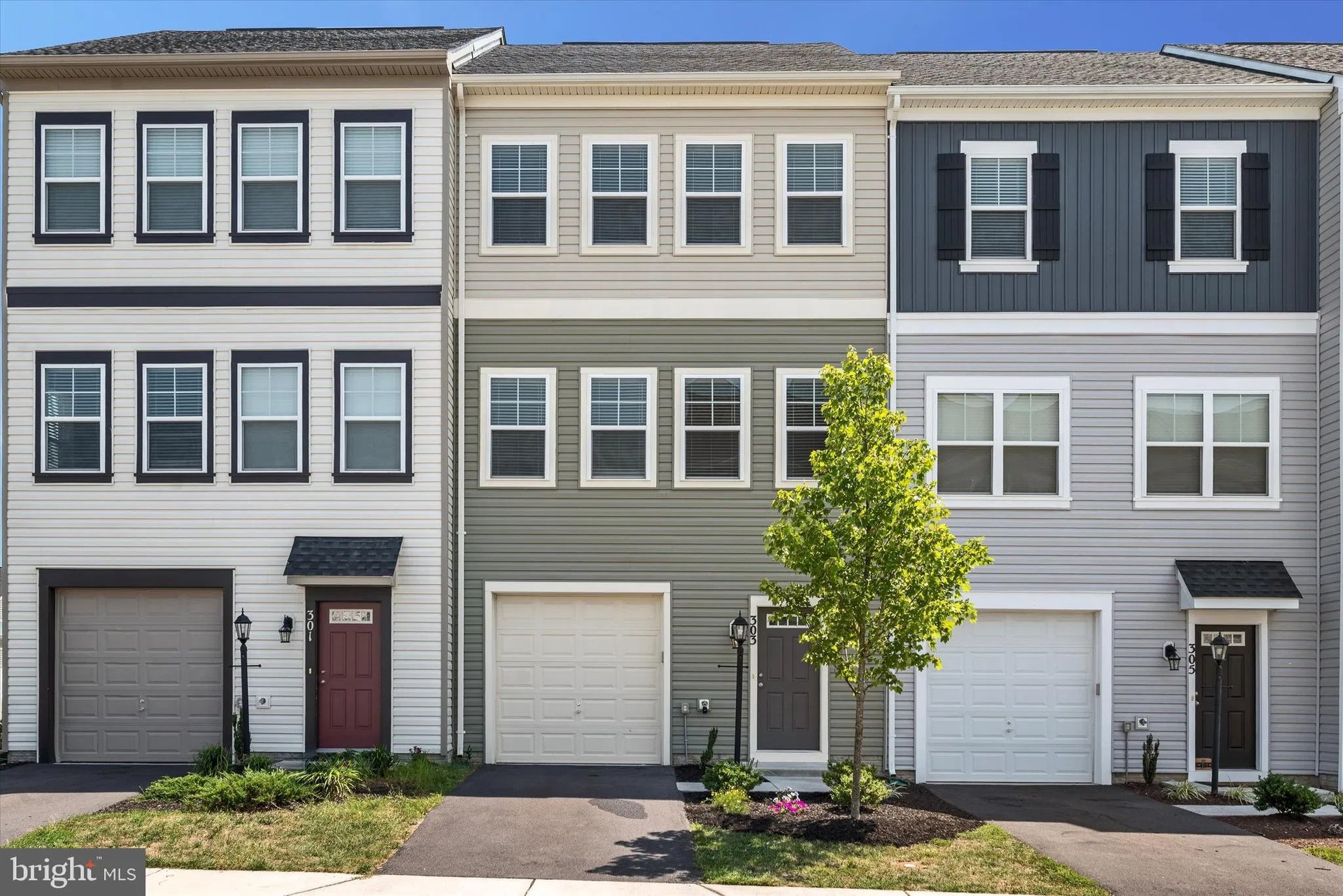
Step 2: Choose a Community, Not Just a House
A relocation decision should begin with your daily routine.
Virginia options:
- Winchester: A regional hub with historic neighborhoods, suburban developments, medical services, shopping, and access to I-81. Begin your search with homes for sale in Winchester VA (https://soldbytgg.com/neighborhoods/winchester).
- Berryville: A smaller Clarke County community with a rural setting and access to Winchester and Northern Virginia.
- Stephens City: Convenient to Winchester and I-81, with established neighborhoods and newer housing.
- Leesburg and Purcellville: Strong options for buyers prioritizing Loudoun County amenities, employment access, and a more suburban or small-town lifestyle. Research Purcellville VA real estate alongside commute time and local tax costs.
West Virginia options:
- Martinsburg: A growing Eastern Panhandle center with varied housing, services, and commuter access. Compare current Martinsburg WV homes for sale by neighborhood, school boundary, and travel route.
- Charles Town and Ranson: Popular with buyers seeking small-town character, newer development, and access to Northern Virginia, Maryland, and Loudoun County. Review Charles Town WV real estate with attention to commute patterns and utility arrangements.
- Inwood: A practical option for buyers seeking access to Martinsburg and Winchester while considering newer subdivisions and rural surroundings.
Visit prospective neighborhoods during weekday rush hour, after dark, and on a weekend. Check grocery stores, health care, schools, parks, restaurants, and the route to work.
Step 3: Follow This Relocation Timeline
12 months out:
- Define your target move date and reason for relocating.
- Establish a realistic purchase, rent, or sale budget.
- Compare Virginia and West Virginia tax structures with a qualified tax professional.
- Identify your preferred commute radius.
- Research school districts, enrollment requirements, and attendance boundaries.
- If selling first, request a preliminary home-value conversation and improvement plan.
- If buying, review financing options and estimate your cash needed for closing.
6 months out:
- Narrow your search to three or four communities.
- Take an exploratory trip and tour neighborhoods, not only individual homes.
- Check internet availability at exact addresses if you work remotely.
- Determine whether prospective properties use public water and sewer or private well and septic.
- Gather employment, income, bank, insurance, and tax documents.
- If renting, review application requirements, deposits, lease terms, pet policies, and utility responsibilities.
3 months out:
- Select a lender, buyer's agent, property manager, or rental representative.
- Obtain moving quotes and verify the mover's credentials and insurance.
- Begin decluttering, donating, and scheduling repairs.
- Transfer or request school, medical, veterinary, and prescription records.
- Confirm insurance availability and obtain homeowners, renters, flood, or specialty coverage quotes.
- Schedule inspections early if purchasing a rural or older property.
1 month out:
- Confirm the closing date, possession date, and moving schedule.
- Schedule utilities at the new home and disconnect services at the old one.
- Arrange electric, gas, propane, water, sewer, trash, recycling, and internet.
- Submit a USPS Change of Address (https://www.usps.com/manage/forward.htm).
- Notify banks, employers, insurers, subscriptions, doctors, schools, and professional organizations.
- Use IRS Form 8822 guidance (https://www.irs.gov/faqs/irs-procedures/address-changes) to update your federal tax address. USPS forwarding does not replace direct updates to important agencies.
- Reserve temporary housing or storage if your sale and purchase dates do not align.
Moving week:
- Photograph the condition of your old home after it is empty.
- Keep identification, closing documents, medication, valuables, and essential records with you.
- Confirm that utilities are active before arrival.
- Inspect the new home at move-in and document any concerns.
- Verify trash pickup, mailbox access, internet installation, and heating fuel.
- Keep food, water, chargers, basic tools, and cleaning supplies accessible.

Step 4: Research Schools and Community Life
School research should go beyond ratings.
Confirm:
- Which district serves the exact address
- Whether boundaries may change
- Bus routes and travel times
- Start and dismissal times
- Before- and after-school care
- Sports, arts, and extracurricular programs
- Special education and student-support services
- Snow-delay and closure procedures
School decisions are local. Check the official school division website and board materials for current calendars, boundary changes, proposed construction, and any planned closures.
Also evaluate community fit. Consider libraries, parks, youth programs, houses of worship, volunteer organizations, farmers markets, and the distance to medical care. A home may be affordable, but your quality of life depends on the services surrounding it.
Step 5: Understand Your Closing Path
If you are buying, expect several stages:
- Loan preapproval and budget review
- Offer negotiation
- Earnest money deposit
- Inspection and repair discussions
- Appraisal and underwriting
- Title search and title insurance
- Final loan approval and closing disclosure
- Final walkthrough
- Signing, funding, and transfer of possession
Underwriting is the lender's detailed review of your income, assets, credit, debts, and the property. Avoid opening new credit accounts, changing jobs without guidance, or making large unexplained deposits while your loan is being reviewed.
For rural properties, add well, septic, survey, driveway, flood-zone, and private-road due diligence.
If you are selling first: Selling first can make your purchase budget clearer and reduce the risk of carrying two homes. However, it may require temporary housing or storage.
Before listing, review:
- Estimated net proceeds
- Mortgage payoff
- Repairs and preparation
- Listing timeline
- Contingency options
- Capital-gains questions with a tax professional
- Your preferred purchase or rental backup plan
Talbot Greenya Group's seller resources (https://soldbytgg.com/sellers-guide) can help you organize the preparation and pricing conversation.
If you are renting first: Renting can be a prudent bridge when you are unfamiliar with the area or are not ready to buy. Confirm:
- Lease length and renewal terms
- Security deposit rules
- Utility responsibility
- Maintenance response procedures
- Pet and occupancy policies
- Parking and storage
- Early-termination provisions
- Whether the home is professionally managed
Renting first can give you time to experience the commute, schools, weather, and neighborhoods before making a long-term purchase.
Cross-State Moving FAQ
Do I need a new driver's license after moving?
Virginia says new residents have 60 days to obtain a Virginia driver's license and generally 30 days to title and register a vehicle. Review the Virginia DMV moving guide (https://www.dmv.virginia.gov/moving). West Virginia residents should confirm current requirements directly with the West Virginia DMV (https://transportation.wv.gov/DMV/Pages/default.aspx).
Can I live in West Virginia and work in Virginia?
Yes, but your tax filing may involve multiple states. Keep records of where you live, where you work, and where income is earned. Ask a qualified tax professional about withholding, credits, and residency rules before moving.
Are utilities different in rural parts of the Valley?
Often. Confirm public versus private water and sewer, septic condition, heating fuel, trash service, internet speed, and cell coverage at the exact property address.
Is the cheapest home the best relocation choice?
Not necessarily. Conservative budgeting should include taxes, insurance, repairs, commuting, utilities, and resale potential. A slightly higher-priced property may be more practical if it reduces transportation or maintenance costs.
Who can help coordinate a cross-state move?
Talbot Greenya Group provides relocation assistance for buyers, sellers, renters, and investors moving throughout the Shenandoah Valley and Eastern Panhandle. The team's local knowledge spans Winchester, Leesburg, Martinsburg, Charles Town, Purcellville, Berryville, and Stephens City.
When you are ready to compare options, contact Talbot Greenya Group (https://soldbytgg.com/contact) for a practical conversation about your timeline, budget, and next steps.
Cindy Greenya, Licensed in Virginia and West Virginia | The Talbot Greenya Group is powered by Keller Williams Realty | Direct: 703-420-7616 | Office: 540-665-2200 | Broker: Rick Cockrill